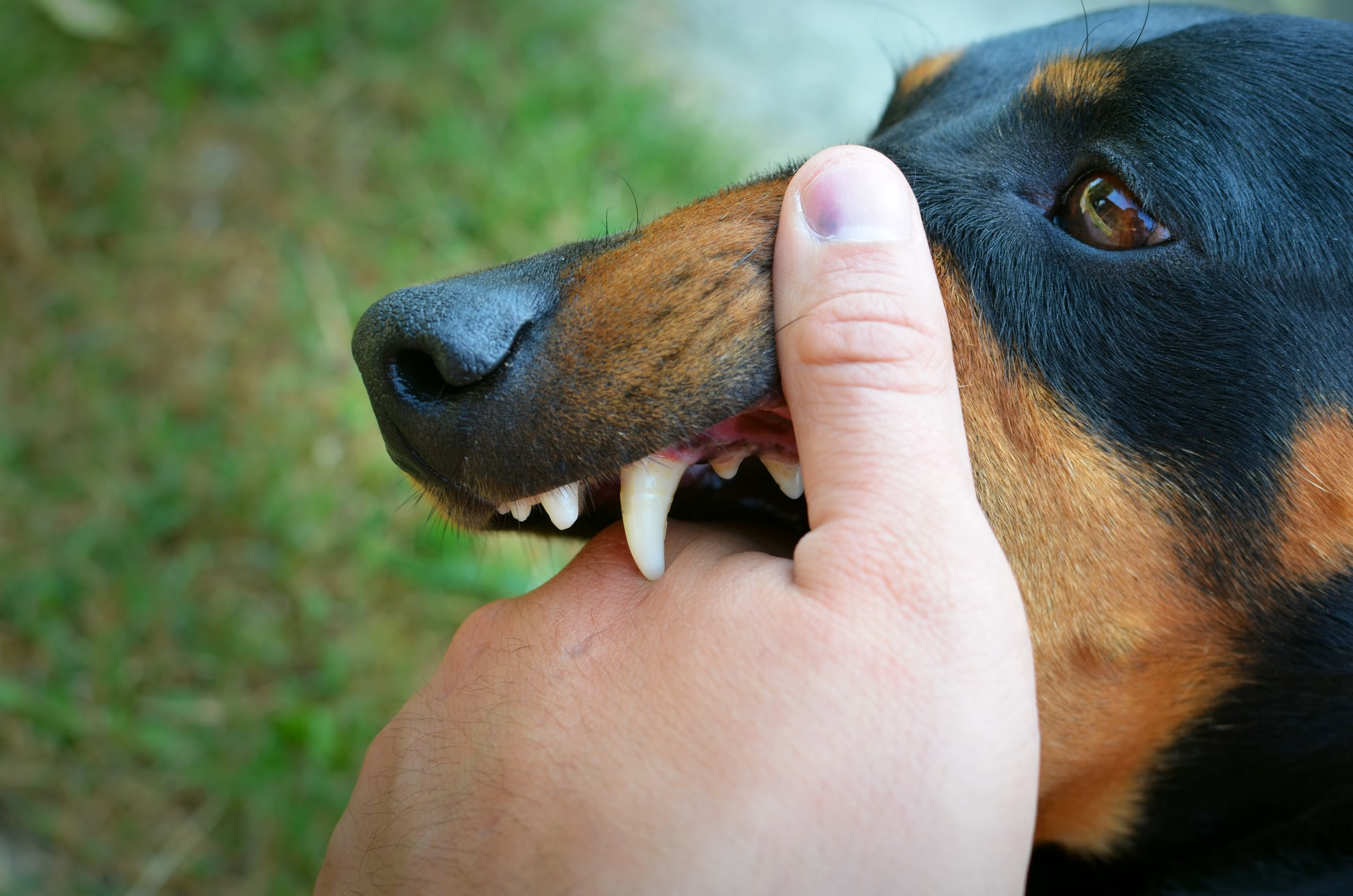
Urgent care is appropriate for most dog bites that break the skin but aren’t immediately life-threatening. If the wound needs professional cleaning, shows signs of infection, won’t stop bleeding after 10 minutes, or you’re unsure about your tetanus status, our urgent care treatment in Queens can provide antibiotics, wound care, and necessary vaccinations without the wait and expense of an emergency room. However, bites to the face, neck, or genitals, uncontrollable bleeding, or exposed muscle and bone require emergency room care.
Getting bitten by a dog is never pleasant, and the moments right after can feel chaotic. You’re bleeding, possibly in pain, and trying to figure out what you should do next. Most dog bites fall into a gray area where they’re serious enough to need medical attention but not severe enough to justify an ER visit with its long waits and high costs. Understanding when urgent care is the right choice can save you time, money, and unnecessary stress.
Understanding Dog Bite Severity
About 4.5 million dog bites happen annually in the United States, and roughly 800,000 require medical care. Dog bites generally fall into three categories: minor (surface-level scratches or shallow breaks), moderate (puncture wounds with swelling and bruising), and severe (deep tissue injury, torn skin, heavy bleeding, potential nerve or muscle damage).
The category your bite falls into largely determines where you should seek treatment, but infection risk matters just as much.
Why Infection Risk Changes Everything
Between 10 and 15 percent of dog bites become infected. Dogs’ mouths harbor bacteria like Pasteurella, Staphylococcus, and Streptococcus that humans don’t handle well. These infections can develop quickly, sometimes within just a few hours, showing up as increasing redness, warmth, swelling, or pus drainage.
Then there are rabies and tetanus concerns. Rabies is rare in domestic dogs but becomes a legitimate worry if you were bitten by an unknown or unvaccinated dog. Since rabies is 100 percent fatal once symptoms appear, post-exposure treatment is critical. Tetanus can cause severe muscle spasms if your immunity has lapsed.
This is why professional medical evaluation matters, even for bites that seem manageable at first glance.
When Urgent Care Makes Perfect Sense
If the wound broke the skin and needs professional cleaning, urgent care is your spot. Home cleaning with soap and water is a good first step, but medical irrigation with saline does a more thorough job of flushing out bacteria. If bleeding hasn’t stopped after 10 minutes of pressure, you need professional help.
Signs of infection are a major red flag. Swelling, redness spreading beyond the bite, warmth, or pus all indicate you need antibiotics and proper wound care. Waiting can let infection spread to deeper tissues or your bloodstream.
If you haven’t had a tetanus shot in five years, you should get a booster after any skin-breaking bite. Urgent care facilities stock tetanus vaccines and can administer them immediately.
Sometimes you need peace of mind. If you’re worried about rabies risk because you don’t know the dog’s vaccination history, or you’re unsure whether the bite needs medical attention, visiting an animal bite urgent care clinic provides professional assessment and documentation.
If you’re in Flushing, Long Island City, Astoria, Jackson Heights, Forest Hills, Bayside, or nearby Queens communities, 뉴욕 의사들 offers walk-in urgent care services specifically designed for situations like dog bites. You don’t need an appointment, and the experienced providers can clean your wound, assess infection risk, administer necessary vaccines, and prescribe antibiotics if needed. Call (929) 928-0175 or visit the Flushing location.
When You Should Go Straight to the ER
Some injuries are too serious for urgent care. Any bite to your face, neck, or genitals should send you to the emergency room immediately. These areas have complex anatomy and higher infection risk, and facial bites often need plastic surgery consultation.
Uncontrollable bleeding that doesn’t slow with constant pressure suggests a major blood vessel was hit. Wounds deep enough to expose muscle, bone, or tendons need specialized evaluation and often surgical repair.
Loss of function is another emergency sign. If you can’t move fingers after a hand bite, can’t bear weight on a bitten leg, or notice numbness spreading, nerves or tendons may be damaged.
Finally, any signs of severe allergic reaction or shock (difficulty breathing, fainting, widespread hives, extreme paleness) mean you should call 911.
What Actually Happens at Urgent Care
The provider will thoroughly clean and irrigate the wound using sterile saline to flush out bacteria and debris. This goes far beyond the quick rinse you did at home.
Next comes wound assessment to determine depth, check for damage to underlying structures, and look for foreign objects. Most dog bite wounds are deliberately left open rather than stitched because closing a contaminated wound can trap bacteria and increase infection risk. Facial bites are sometimes exceptions for cosmetic reasons.
If infection risk is high, you’ll receive antibiotics. The most common choice is amoxicillin-clavulanate because it covers bacteria typically found in dog bites.
The provider will review your vaccination history. You’ll get a tetanus booster if yours isn’t current. If there’s rabies concern, you may need to start post-exposure prophylaxis, which involves shots given over two weeks.
You’ll leave with detailed aftercare instructions covering home wound cleaning, infection warning signs, when to return for follow-up, and any activity restrictions.
The Cost and Insurance Question
Urgent care is significantly more affordable than emergency room care. An ER visit can easily run into thousands of dollars, while urgent care typically costs a few hundred dollars or less. Insurance copays are usually much lower for urgent care than ER visits.
Most urgent care centers accept a wide range of insurance plans, including Medicare, Medicaid, private insurance, and sometimes travel insurance. For uninsured patients, urgent care often offers transparent pricing and payment plans, making treatment accessible.
The Importance of Documentation
Getting professional treatment creates official documentation of your injury. This can be crucial for insurance claims or legal purposes if questions arise about the owner’s liability. Many dog bite cases involve homeowner’s insurance claims, and proper medical records strengthen your position.
There’s also a public health angle. Dog bites should be reported to local animal control, especially if the dog’s vaccination status is unknown. When you get treatment at urgent care, the facility can help facilitate this reporting. In New York, animal control may need to observe the dog for rabies signs or take action if the animal poses a danger.
뉴욕 의사들 provides thorough documentation of all dog bite treatments, which can be essential for insurance purposes or if you need to file a report with local authorities. The multilingual staff, including Korean, English speakers, ensures clear communication about your injury and treatment plan. The clinic is open Monday through Saturday from 9am to 5pm, making it convenient to get care when you need it. Reach out at (929) 928-0175 for questions about walk-in availability.
Special Considerations for Different Bite Locations
Hand bites deserve special attention because of complex anatomy in a small space. Tendons, nerves, and small joints are vulnerable, and infections spread quickly. Even minor-looking hand bites warrant urgent care evaluation and aggressive antibiotic treatment.
Bites near joints carry higher infection risk because bacteria can enter the joint space. Children are more likely to be bitten on the face, head, and neck, and urgent care providers can address both physical injury and emotional response.
What You Should Do Immediately After a Dog Bite
Wash the wound with soap and warm water for at least three to five minutes. Apply pressure with a clean cloth if bleeding. Most bleeding stops within 10 minutes. If it doesn’t, seek medical care.
Try to identify the dog and get vaccination information. If the dog is unknown, that affects rabies risk assessment. When unsure about urgent care versus ER, get evaluated. It’s better to confirm it’s minor than risk serious infection.
The Bottom Line on Choosing Urgent Care
Urgent care provides an important middle ground, more accessible and affordable than the emergency room while offering sophisticated care beyond what you can manage at home. For dog bites specifically, urgent care is often exactly what you need.
The ideal dog bite for urgent care is one that breaks the skin but isn’t immediately life-threatening, shows signs of infection or high infection risk, or leaves you uncertain about whether you need professional evaluation. These situations represent the vast majority of dog bites requiring medical attention.
Be honest with yourself about injury severity. Minor surface scratches that barely break the skin probably don’t need professional care unless infection develops later. Severe injuries with uncontrolled bleeding, exposed deep structures, or bites to high-risk areas need emergency room care. Everything in between benefits from urgent care evaluation, where you’ll get expert wound cleaning, appropriate medications, necessary vaccines, and professional judgment about whether additional care is needed.
자주 묻는 질문
- Should I go to urgent care for a dog bite that doesn’t look that bad?
Yes, if the bite broke the skin. Even minor-looking bites can become infected. Urgent care providers can properly clean the wound, assess infection risk, and determine if you need antibiotics or a tetanus shot. It’s better to get checked than risk infection developing days later. - How long after a dog bite can I wait before going to urgent care?
Seek care within 6 to 8 hours ideally. Early treatment significantly reduces infection risk. If you notice infection signs like increasing redness, swelling, warmth, or pus even days later, go immediately. Infections develop quickly and shouldn’t wait. - Will urgent care give me a rabies shot for a dog bite?
Urgent care can start rabies post-exposure prophylaxis if there’s concern about rabies risk. Treatment involves shots over two weeks, so follow-up is needed. If the dog was a healthy domestic pet that can be observed for 10 days, rabies shots typically aren’t necessary. - Do I need antibiotics for every dog bite?
Not every bite requires antibiotics. Providers typically prescribe them for moderate to deep bites, bites on hands or face, puncture wounds, bites in immunocompromised people, or bites showing infection signs. Your provider will assess your specific situation. - Can urgent care stitch up a dog bite wound?
Yes, but many bites are intentionally left open because closing them can trap bacteria and increase infection risk. Facial bites are sometimes stitched for cosmetic reasons. Your provider determines the best approach based on the wound’s characteristics and location. - What should I bring with me to urgent care for a dog bite?
Bring your insurance card, ID, a list of medications you take, and tetanus vaccination history if known. If possible, bring information about the dog including vaccination records, owner’s contact information, or a description if unknown. This helps providers make better treatment decisions. - How much does dog bite treatment cost at urgent care without insurance?
Without insurance, treatment typically costs $150 to $400 depending on care complexity, including the visit, wound cleaning, medications, and vaccines. This is significantly less than emergency room care for the same injury. Many urgent care centers offer payment plans for uninsured patients. - What are the signs that my dog bite is getting infected after I leave urgent care?
Watch for increasing redness spreading beyond the bite, worsening swelling, warmth around the wound, pus or cloudy drainage, red streaks from the wound, fever, and increasing pain. If you notice any of these, return to urgent care immediately. Infections worsen quickly and need prompt antibiotic treatment.