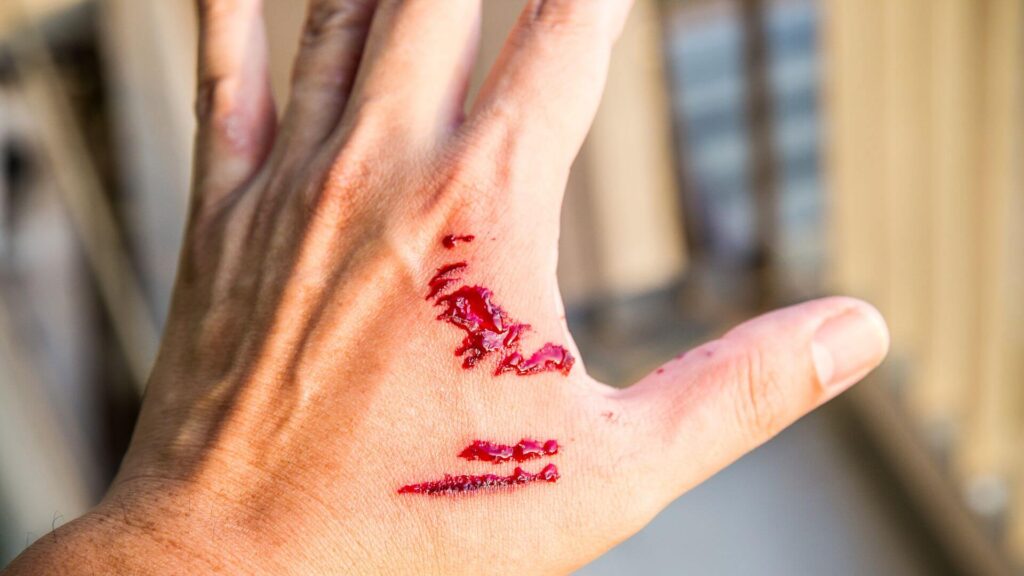
Doctors of New York in Flushing, Queens, provide urgent care for animal bite and scratch treatment for residents across Queens and nearby communities. If you or someone you know has been bitten or scratched by a dog, cat, or wild animal, prompt medical evaluation is essential to prevent infection, assess rabies risk, and determine whether you need a tetanus shot or wound closure. Walk-ins are welcome at our Flushing clinic, and same-day appointments are typically available.
Getting bitten or scratched by an animal is more than just painful in the moment. It can trigger a chain of medical concerns that most people do not fully think through until hours later, sometimes when the wound has already started looking angry or swollen. At Doctors of New York, we see patients from Flushing, Long Island City, Astoria, Jackson Heights, Forest Hills, Bayside, and surrounding neighborhoods who come in after animal encounters ranging from a neighbor’s dog to a stray cat to wildlife in a local park. This page walks you through everything that matters after an animal bite or scratch, from what to do in the first few minutes to how we approach treatment and follow-up care.
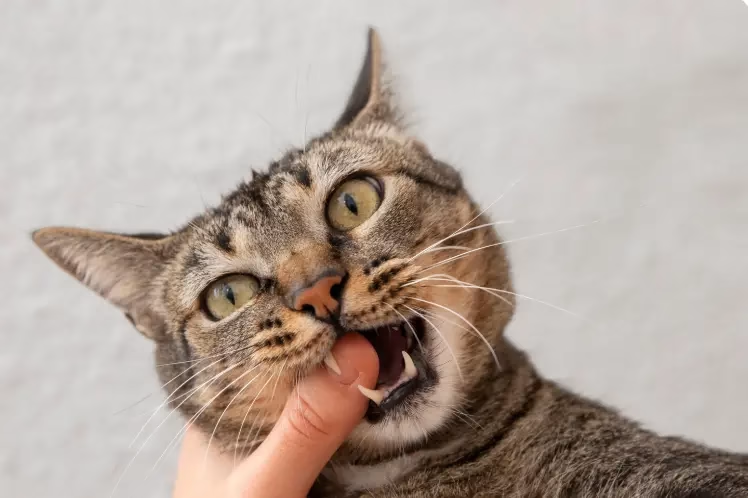
A lot of patients come in saying the bite does not look that bad. And maybe it does not. But animal bites, particularly dog bites and cat bites, introduce bacteria deep into tissue in a way that a surface scrape simply does not. Dog mouths carry bacteria like Pasteurella, Capnocytophaga, and Staphylococcus. Cat teeth are narrow and sharp, which means they punch deep puncture wounds that close over quickly on the surface while bacteria are already getting comfortable underneath.
Cat scratches bring their own concern entirely. Bartonella henselae, the bacterium responsible for cat scratch disease, is transmitted through scratches from infected cats, particularly kittens. You might not feel much initially, but within a week or two, swollen lymph nodes and fever can develop. It is more common than most people realize, and it does require evaluation and sometimes treatment.
Wild animal bites, whether from raccoons, bats, squirrels, or foxes, carry a different level of urgency because of rabies risk. Rabies is rare in New York City, but it is not impossible, especially with bats and raccoons. Once symptoms of rabies appear, there is no effective treatment. That is why the decision about post-exposure prophylaxis, the rabies vaccine series, needs to happen quickly and thoughtfully.
Before you come in to see us, there are a few things you can do that genuinely matter. First, wash the wound thoroughly with soap and water for at least five minutes. This is not just first aid theater. Vigorous washing actually reduces bacterial load and, in the case of rabies, can reduce viral transmission risk. Do not skip this step.
After washing, apply gentle pressure with a clean cloth if the wound is bleeding. Do not try to close the wound with tape or bandages before a medical professional has seen it. Some wounds need to be left partially open to drain. Others do need closure. Getting that call wrong at home can make things worse.
Then come in. Do not wait to see how it looks tomorrow. The window for certain treatments, including rabies post-exposure prophylaxis and timely wound closure, can close within hours to days. Our clinic in Flushing handles animal bite treatment in Queens on a walk-in basis, so you do not need to sit in an emergency room for hours when the injury is serious but not immediately life-threatening.
Protect yourself from infection with prompt wound care, tetanus evaluation, and rabies risk assessment. Walk in for same-day treatment from experienced medical providers.
When you come in for animal bite treatment in Queens, here is how we approach it. The evaluation is thorough but efficient. We are not going to rush you out the door, but we also understand that you are dealing with pain and anxiety, and we move with purpose.
If the wound involves a dog and you are looking specifically for dog bite treatment in Queens, the process above applies fully. Dog bites are the most common animal bite we treat, and they range from minor scrapes to deep lacerations that require suturing under local anesthesia.
This is something people either over-worry or completely dismiss, and both extremes cause problems. In New York City, domestic dogs and cats that are current on their vaccines pose very low rabies risk. If you were bitten by a dog you know, and that dog has current vaccination records, the rabies conversation is fairly brief.
The equation changes with stray dogs, cats of unknown vaccination status, and especially wild animals. Bats are the most significant rabies vector in New York State. If there is any possibility of bat contact, including waking up in a room where a bat was present, you should be evaluated for post-exposure prophylaxis. You do not need to have a visible bite wound. Bat teeth are small enough that a bite may not be apparent.
Raccoons and foxes are also rabies vectors in the region. If you were bitten by either, do not wait and see. Come in the same day. The rabies vaccine series, when started promptly before symptoms appear, is highly effective. Once neurological symptoms appear, it is too late.
Even after you have been evaluated and treated, the wound needs monitoring for the first several days. Signs that something is going wrong include increasing redness that spreads beyond the wound edges, warmth, swelling, pus or unusual discharge, red streaks extending from the wound toward the body, fever, and increasing pain rather than gradual improvement.
If any of those develop, come back in. Do not wait for your follow-up appointment. Wound infections from animal bites can progress faster than infections from other causes because of the specific bacteria involved. Capnocytophaga, in particular, can cause serious systemic illness in people who are older, immunocompromised, or who have had a splenectomy, and it can do so surprisingly quickly.
If you are in Flushing, Jackson Heights, Astoria, or anywhere in Queens and you are concerned about how a wound looks in the days after an animal bite, Doctors of New York welcomes return visits. Call us at (718) 888-1666 or stop by our office at 136-20 38th Avenue, Suite 8D, Flushing, NY 11354. We would rather you come in for something that turns out to be fine than stay home with something that is not.
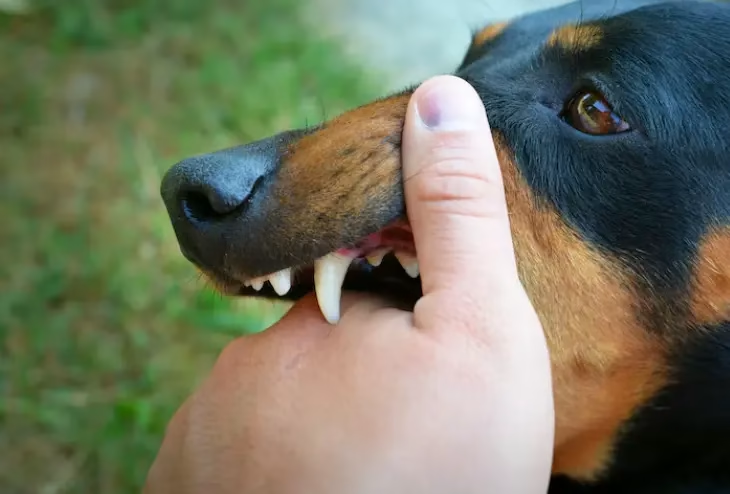
Dog bites deserve a specific mention because they are so common and because the injury patterns vary so widely. A small dog bite from a chihuahua and a bite from a large breed dog are not the same medical situation. Large breed bites can cause crush injuries and deep tissue damage that does not always look dramatic on the surface. The force involved can fracture small bones, particularly in the hand or foot.
Dog bite treatment in Queens at our practice includes assessment for these deeper injuries when the mechanism suggests it. If there is concern about bone involvement, we can refer for imaging. Hand bites are taken particularly seriously because of the complex anatomy involved and the risk of tendon or joint capsule injury.
Children are bitten by dogs more often than adults, and they are more likely to be bitten on the face, neck, and head due to their height relative to most dogs. If a child in your family is bitten, come in promptly regardless of how minor it appears. Facial bites have unique considerations around scarring and wound closure, and children’s skin heals differently than adult skin.
If you were bitten while traveling and you are now back home in Queens, that matters in terms of rabies risk assessment. Rabies is far more common in animals in many other countries, including parts of Asia, Latin America, and Africa. If you were bitten abroad by a dog or any animal and you did not receive post-exposure prophylaxis at the time, come in and we will evaluate the situation. The timeline matters, but it is not always as closed as people assume.
Not always. Whether a bite wound gets sutured depends on its location, size, depth, how long ago it happened, and the type of animal involved. Many bites are intentionally left open or loosely approximated to reduce infection risk. Your provider makes this call after examining the wound.
As soon as possible, ideally within a few hours. Certain treatments have time-sensitive windows. Rabies post-exposure prophylaxis should begin within 24 hours when indicated. Wound irrigation is most effective when done promptly. If it is evening and the wound is not gushing blood or showing signs of serious injury, come in first thing the next morning at the latest.
Most insurance plans cover urgent care visits, and animal bites fall squarely within that category. Our staff can help verify your coverage when you arrive.
We handle this situation regularly in Queens. We will perform a risk assessment based on what you observed about the animal’s behavior, the circumstances, and the local epidemiology. If the animal cannot be tested or observed, that shifts the risk calculus somewhat and we factor that in.
Is dog bite treatment in Queens available without an appointment? Yes. Doctors of New York accepts walk-ins for animal bite treatment in Queens. You do not need to call ahead, though you are welcome to.
If you have been bitten or scratched by an animal and you are in Flushing, Long Island City, Astoria, Jackson Heights, Forest Hills, Bayside, or anywhere else in the Queens area, Doctors of New York is here to help. We offer comprehensive animal bite treatment in Queens with same-day availability, thorough wound care, infection prevention, tetanus and rabies evaluation, and follow-up support. Our experienced providers treat patients the way they would want their own family treated: thoroughly, honestly, and without unnecessary alarm or unnecessary delay.
Visit us at 136-20 38th Avenue, Suite 8D, Flushing, NY 11354 or call (718) 888-1666 to speak with our team. Walk-ins are always welcome.
We treat more than symptoms; we care for the whole you. From urgent care to long-term pain or routine checkups, Doctors of New York is here with fast access, skilled providers, and personal care.
Call us today or email us at info@doctorsofnewyork.com, or walk into our clinic to regain your health and peace of mind.