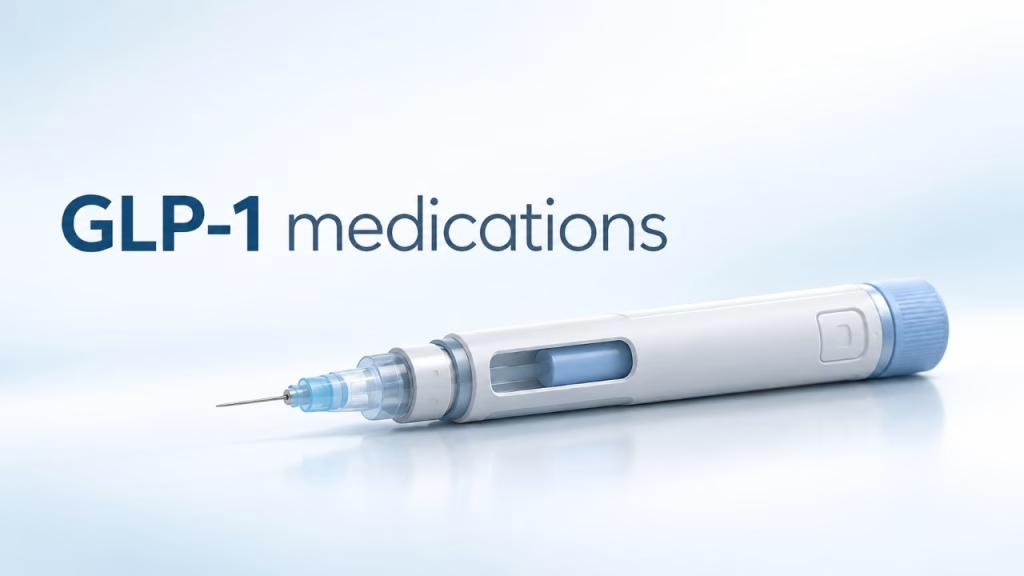
GLP-1 medications are prescription drugs that copy a natural gut hormone to lower blood sugar and reduce appetite. Common examples include semaglutide (Wegovy, Ozempic), tirzepatide (Zepbound, Mounjaro), and orforglipron (Foundayo). The FDA approves some for type 2 diabetes and others for weight management.
Weight management use covers adults with a BMI of 30 or higher, or 27 or higher with a weight-related condition such as high blood pressure. Doctors of New York, a walk-in clinic on Northern Blvd in Flushing, evaluates patients for GLP-1 treatment and runs baseline blood work on site. Follow-up visits track side effects and progress.
Almost every week, someone visits our urgent care in Queens for a sore throat or a twisted ankle. On the way out, they ask about “the weight loss shot.” A sister is on it. A coworker will not stop talking about it. They want to know if it would work for them, and that question deserves more than a thirty-second answer. What follows is the same explanation our providers give in the exam room, including the parts that never make it into the ads.
GLP-1 stands for glucagon-like peptide-1, a hormone your intestines release after you eat. It tells the pancreas to release insulin when blood sugar rises, and it slows how fast food leaves your stomach. It also acts on appetite centers in the brain.
The medications copy that signal and make it last far longer than your own hormone does. Tirzepatide acts on a second gut hormone called GIP as well. Patients often tell us the constant background chatter about food simply gets quieter.
For people with type 2 diabetes, a GLP-1 usually joins a longer plan that can include metformin, blood pressure medication, and regular A1c checks. Some drugs in this class also carry FDA approvals for lowering heart attack and stroke risk in certain adults.
Semaglutide is also approved to slow kidney disease in people with type 2 diabetes. That layered, long-term care is what a primary care physician in Queens, NY coordinates, so the new drug fits with everything else you take.
The list has grown quickly. Daily pills now sit alongside the weekly pens, which has changed a lot of conversations with patients who hate needles.
Pills come with their own rules, though. Semaglutide tablets need an empty stomach and a small sip of water, followed by a wait of about 30 minutes before you eat. These are the main FDA-approved options your provider may discuss:
Saw a name in an ad and want to know what it actually is? Ask about it at our walk-in clinic in Queens. No appointment is needed for that conversation.
For weight management, FDA labeling covers adults with a BMI of 30 or more, or 27 or more with at least one weight-related condition. Qualifying conditions include high blood pressure, high cholesterol, type 2 diabetes, and sleep apnea.
Some products are also approved for adolescents 12 and older, which is a separate conversation with a parent in the room. BMI is a blunt number. We look at the whole picture: your labs, your family history, your past weight-loss attempts, and your treatment goals.
A GLP-1 is usually not appropriate, or needs extra caution, if any of these apply to you:

Nausea is the big one. Most people notice it in the first weeks and again for a few days after each dose increase. Diarrhea, constipation, vomiting, bloating, heartburn, and burping are also common.
We start at the lowest dose and step up slowly for exactly this reason. Small meals help, and so does stopping when you feel satisfied instead of when the plate is empty. Fried and fatty foods tend to make the queasiness worse.
Less common problems need faster attention. These include gallstones, pancreatitis, dehydration serious enough to strain the kidneys, and low blood sugar in people who also take insulin or a sulfonylurea.
Some drugs in this class can make birth control pills less reliable after you start and after each dose increase, so ask about backup contraception. Tell any surgeon or anesthesiologist that you take a GLP-1, because food stays in the stomach longer and raises the risk of aspiration during sedation.
Severe abdominal pain that will not go away, especially pain that spreads to your back, needs an emergency room visit or a 911 call. Do the same for swelling of the face or throat, trouble breathing, or fainting. Those symptoms need emergency care right away, and a clinic visit is the wrong place to start. This information is for general education and does not replace advice from your own healthcare provider.
Treatment starts with an evaluation, and a prescription is never automatic. Depending on the day, you may see a physician, a nurse practitioner, or a physician assistant, all licensed to evaluate you and prescribe when appropriate. The process at our Flushing clinic usually looks like this:
Food and movement still matter a great deal. The drug turns down your appetite, and you still decide what goes on your plate. We talk about protein, strength training, and fluids at every stage. Losing muscle along with fat is a real concern when weight comes off fast.
Curious whether a GLP-1 makes sense for you? Walk in to Doctors of New York at 194-11A and 13 Northern Blvd in Flushing, NY 11358. No appointment is needed. Prefer a set time? Call +1 (929) 928-0175 and our team will schedule you. Many of our patients live nearby, and others come in from Great Neck, Long Island City, Astoria, Jackson Heights, Forest Hills, and Bayside.
During the recent drug shortages, compounded semaglutide and tirzepatide spread quickly through telehealth sites and med spas. Those shortages are over, and the FDA has spelled out its concerns with unapproved GLP-1 drugs used for weight loss.
Unapproved versions do not go through FDA review before they reach patients. The agency has flagged dosing errors, counterfeit products, and injectable pens shipped without proper refrigeration. If a product arrives warm or looks different from what your pharmacy normally dispenses, check with a licensed provider before you use it.
Coverage depends on why the drug is prescribed and what your plan allows. Many commercial plans exclude the weight management brands, while the diabetes brands are covered more often. Manufacturers now sell several brands directly to cash-pay patients at lower monthly prices, and those offers change often.
For Medicare patients, the federal GLP-1 Bridge program runs from July 2026 through December 2027. It lets eligible beneficiaries get select weight management GLP-1s for $50 a month with prior authorization. Walgreens explains the eligibility rules in plain language. Our front desk can check your coverage before any services begin, though no clinic can promise what a plan will pay.
This is the conversation people least want to have, so we have it early. In the STEP 1 trial extension, adults who stopped semaglutide regained about two-thirds of the weight they had lost within a year. Appetite returns once the drug wears off.
For many patients, a GLP-1 works more like blood pressure medication, something you take long term to hold a result. Some people move to a lower maintenance dose. Others stop and lean on the habits they built during treatment. Either plan goes better when you make it with your provider instead of quitting on your own.
Results vary from person to person. In the STEP 1 trial, adults on weekly semaglutide lost about 15 percent of their body weight over 68 weeks. In SURMOUNT-1, adults on the highest tirzepatide dose lost about 21 percent over 72 weeks. Your own result depends on the dose you tolerate and the changes you make around it.
No. Walk-ins are welcome at our Northern Blvd clinic during regular hours. If you prefer a scheduled time, give us a call.
Both contain semaglutide. Ozempic is approved for type 2 diabetes, and Wegovy is approved for weight management and for lowering heart risk in certain adults. The doses differ, and insurance often covers them differently.
Many patients notice a smaller appetite within the first few weeks. Weight loss builds gradually as the dose climbs, and most trials measured the full effect after more than a year.
Usually, yes. Our on-site lab handles blood tests and urinalysis, so baseline labs can often happen during your first visit. Your provider will tell you if any test needs fasting or a separate trip.
Starting a GLP-1 is a decision about the next year or more of your health, so it deserves a proper conversation. Walk in to Doctors of New York on Northern Blvd in Flushing. Many of our patients live nearby, and others come in from Long Island City, Astoria, Jackson Heights, Forest Hills, and Bayside. If you would rather book a time or ask about coverage first, call our team at +1 (929) 928-0175.
Call us today or email us at info@doctorsofnewyork.com, or walk into our clinic to regain your health and peace of mind.