
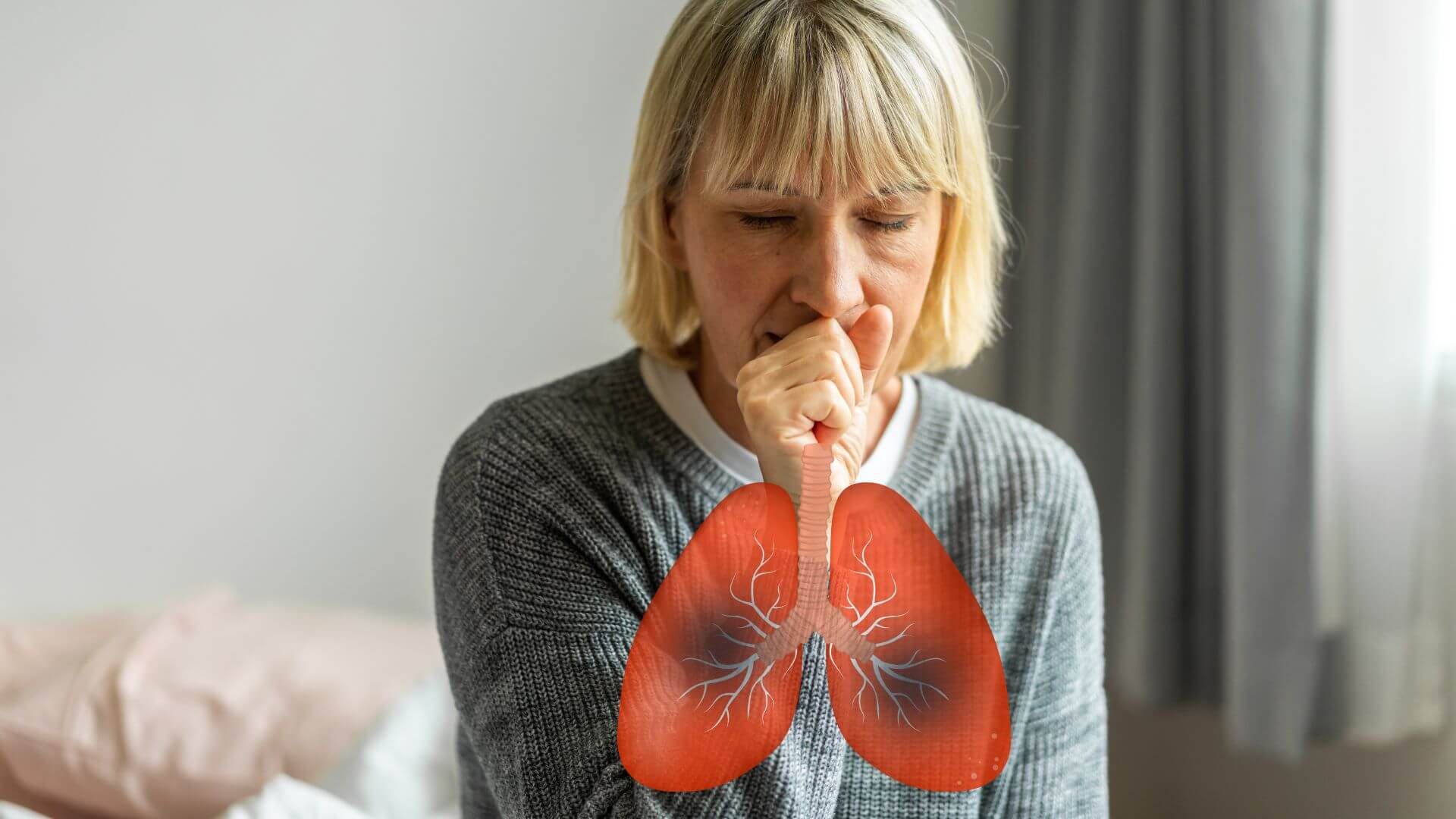
Chronic bronchitis is a long-term inflammation of the bronchial airways defined by a persistent mucus-producing cough lasting at least 3 months per year for 2 or more consecutive years. The primary cause is cigarette smoking, which accounts for up to 75% of all cases. Other causes include prolonged exposure to air pollution, secondhand smoke, chemical fumes, and occupational dust.
Key symptoms include a chronic productive cough, shortness of breath, wheezing, chest tightness, and frequent respiratory infections. Chronic bronchitis is classified as a form of COPD and requires medical evaluation for proper diagnosis and long-term management.
That Cough That Won’t Go Away: Understanding Chronic Bronchitis
Most people have experienced a stubborn cough after a bad cold. It lingers for a week or two, and then eventually clears up. But what if it never really goes away? What if every winter you find yourself coughing up phlegm for months, and then the next year it comes back, and the year after that too? That pattern has a name: chronic bronchitis.
It is more common than most people realize. Across the United States, about 10 million people are living with it. And here in Queens, where many communities deal with real urban air quality challenges, it is a condition that doctors at practices like Doctors of New York see on a regular basis. Understanding what are the causes and symptoms of chronic bronchitis is the first step toward getting the right help.
What Exactly Is Chronic Bronchitis?
Your lungs receive air through a network of tubes called bronchi. When these tubes become persistently inflamed, they swell up and produce excess mucus. That is what chronic bronchitis is, at its core: ongoing inflammation of the bronchial airways that causes your body to constantly generate mucus it struggles to clear.
To meet the clinical definition, a person must have a productive cough with mucus on most days of the month, for at least 3 months out of the year, for 2 consecutive years or more, after other causes have been ruled out. It is not just a bad cough. It is a chronic condition that doctors now classify as a form of COPD (Chronic Obstructive Pulmonary Disease).
The difference between chronic bronchitis and the acute version is worth understanding too. Acute bronchitis typically follows a viral infection, clears up in a couple of weeks, and does not leave lasting damage. Chronic bronchitis, on the other hand, involves long-term structural changes to the airway lining and does not fully resolve. Symptoms may improve during warmer months, but the underlying inflammation remains.
What Causes Chronic Bronchitis?
This is where the conversation gets really important, especially for people trying to figure out what are the causes and symptoms of chronic bronchitis in their own lives or in a loved one’s.
- Smoking: This is the overwhelming primary cause. Up to 75% of people diagnosed with chronic bronchitis are current or former smokers. The damage from cigarette smoke is cumulative, which means even if you smoked years ago, your airways may still carry the consequences. Pipe and cigar smoke carry similar risks.
- Secondhand smoke exposure: You do not have to be the one lighting up to be affected. Years of exposure to someone else’s cigarette smoke can cause enough airway irritation to trigger the condition, particularly in children who grow up in smoking households.
- Air pollution: Long-term exposure to polluted urban air, indoor cooking fumes, and wood-burning smoke contributes meaningfully to bronchial inflammation. This is particularly relevant for residents of dense urban areas.
- Occupational exposure: This is an underappreciated cause. People who work in mining, construction, tunneling, farming, or industries where they regularly breathe in chemical fumes, industrial dust, or agricultural pesticides face a significantly elevated risk. Decades of breathing in those irritants gradually wear down airway defenses.
- Genetic factors: A rare inherited condition called alpha-1 antitrypsin deficiency affects the proteins that protect lung tissue. People with this condition and smokers who have a family history of COPD are at heightened genetic risk.
- Recurring respiratory infections: Repeated infections over time, especially when they go untreated or are poorly managed, can leave lasting inflammation. Childhood asthma and allergies also increase the likelihood of developing chronic bronchitis later in life.
Recognizing the Symptoms
Understanding what are the causes and symptoms of chronic bronchitis means paying attention to both the obvious and the easy-to-dismiss signs.
The most recognizable symptom is a persistent cough that brings up mucus, often referred to as a “smoker’s cough.” This cough is typically worse in the morning and may produce sputum that is clear, white, yellow, or greenish depending on whether an infection is present.
Beyond the cough, here is what else patients commonly experience:
- Shortness of breath, especially during physical activity or climbing stairs
- Wheezing, which is a high-pitched whistling sound while breathing
- Chest tightness or a sense of heaviness across the chest
- Fatigue that persists even with adequate rest
- Frequent respiratory infections, because inflamed airways are far more vulnerable to viruses and bacteria
- In more advanced stages: swelling in the ankles and feet, unintended weight loss, and weakness in the legs
Many people live with these symptoms for years before seeking help. They adapt around them, slow down their activity level, and chalk it up to “just getting older.” But that delay matters. The earlier the condition is identified, the more can be done to slow its progression.
If you or someone you know in Flushing, Jackson Heights, Astoria, or the surrounding Queens communities has been dealing with a persistent cough and breathing difficulties, do not wait to get evaluated. You can call Doctors of New York at +1 (929) 928-0175 to schedule an appointment. Getting a proper diagnosis now can make a real difference in your long-term lung health.
How Is Chronic Bronchitis Diagnosed?
There is no single test that definitively diagnoses chronic bronchitis. Instead, your doctor builds a picture using several tools. They will start with a thorough medical history, asking you about your cough, how long it has been present, what makes it worse or better, and what your exposure to smoke or workplace irritants has been over the years.
From there, a physical exam comes next, often followed by:
- Spirometry: A simple breathing test that measures how much air you can move and how fast. It helps assess the degree of airway obstruction.
- Chest X-ray: To rule out other conditions like pneumonia or lung cancer that can cause similar symptoms.
- Blood tests and sputum analysis: To check for infection or signs of systemic inflammation.
- Pulse oximetry: To measure how well your lungs are getting oxygen into your bloodstream.
The diagnosis is ultimately a clinical one, meaning it depends heavily on your reported history, the duration and nature of your symptoms, and the exclusion of other conditions.
Who Is Most at Risk?
Chronic bronchitis most commonly develops in people who are 40 years of age or older, though it is not exclusively a condition of older adults. Women are actually diagnosed at higher rates than men, which researchers believe may relate to differences in airway anatomy, hormonal factors, and historical patterns of how symptoms get reported and recognized.
In urban, working-class communities like many of those served by Doctors of New York across Flushing, Bayside, Forest Hills, Long Island City, and beyond, occupational and environmental exposures are meaningful risk factors that often do not get enough attention in the conversation about what are the causes and symptoms of chronic bronchitis.
Can Chronic Bronchitis Be Treated?
The honest answer is that chronic bronchitis cannot be cured. But it can absolutely be managed, and managed well. The goal of treatment is to reduce inflammation, control symptoms, prevent flare-ups, and slow the progression of airway damage.
For people who smoke, quitting is by far the most impactful step. It will not reverse existing damage, but it measurably slows the rate at which lung function declines. Beyond that, treatment typically involves:
- Bronchodilators used via inhaler to open narrowed airways
- Inhaled or oral corticosteroids to reduce inflammation
- Mucus-clearing devices to help loosen and expel phlegm
- Pulmonary rehabilitation programs that teach breathing exercises and activity management
- Oxygen therapy for those with severely reduced oxygen levels
- Annual flu and pneumococcal vaccines, because people with chronic bronchitis face much higher risk of dangerous complications from these infections
- Antibiotics when a bacterial infection is identified
The American Lung Association provides excellent patient resources on managing COPD and chronic bronchitis:
When Should You See a Doctor?
Seek emergency care immediately if you experience severe difficulty breathing, cannot catch your breath, or are struggling to speak in full sentences. These are signs that your airway is significantly compromised.
Outside of emergencies, schedule a visit if:
- Your cough has lasted more than 3 months and keeps coming back year after year
- You are coughing up discolored or blood-tinged mucus
- Your shortness of breath is getting progressively worse
- You have a fever alongside your usual respiratory symptoms
- Over-the-counter remedies are no longer providing any relief
The sooner a bronchitis doctor in Queens evaluates your symptoms, the more options you have. Chronic conditions like this respond best to early intervention, not waiting until things become severe.
At Doctors of New York, we take a thorough, unhurried approach to respiratory symptoms because we know that what looks like a recurring winter cough can sometimes signal something that needs real attention. We serve patients across Flushing, Astoria, Jackson Heights, Long Island City, Forest Hills, Bayside, and surrounding Queens communities. If you have been dealing with ongoing respiratory issues and want a clear diagnosis with a practical plan, visit our clinic or call us at +1 (929) 928-0175 to book your appointment. We are here to help you breathe easier, in every sense.
A Note on Prevention
While chronic bronchitis cannot always be prevented, especially in cases with genetic or occupational components, several steps meaningfully reduce risk:
- Never start smoking, and quit if you currently do
- Avoid prolonged exposure to secondhand smoke
- Use appropriate respiratory protection in dusty or chemically hazardous work environments
- Stay current on flu and pneumococcal vaccines
- Manage underlying conditions like asthma with consistent medical care
- Monitor indoor air quality, especially if you live near heavy traffic or industrial areas
Understanding what are the causes and symptoms of chronic bronchitis gives you the ability to recognize warning signs early and advocate for your own health.
Frequently Asked Questions About Chronic Bronchitis
- How do I know if my cough is chronic bronchitis or just a regular cough?
A regular cough from a cold or infection usually clears up within 2 to 3 weeks. If you have had a productive cough that brings up mucus most days for at least 3 months in a row, and this has happened for two or more years, that pattern fits the clinical definition of chronic bronchitis. A doctor can confirm the diagnosis through spirometry and a medical history review.
- Can you have chronic bronchitis if you have never smoked?
Yes. While smoking is the leading cause, chronic bronchitis also develops in non-smokers due to prolonged exposure to secondhand smoke, air pollution, occupational dust or chemical fumes, repeated respiratory infections, or genetic conditions like alpha-1 antitrypsin deficiency.
- Is chronic bronchitis the same as COPD?
Chronic bronchitis is classified as a form of COPD. They are closely related but not identical. COPD is the broader umbrella term that includes both chronic bronchitis and emphysema. A person can have chronic bronchitis with or without the airflow obstruction that defines COPD, but the two frequently occur together.
- What does chronic bronchitis phlegm look like?
In stable chronic bronchitis, the mucus is typically clear or white. When a respiratory infection develops on top of it, the mucus often turns yellow or green. Brownish or blood-tinged mucus should always be evaluated by a doctor right away as it may indicate a more serious issue.
- Can chronic bronchitis get better on its own?
Unlike acute bronchitis, chronic bronchitis does not resolve on its own. The underlying inflammation persists and tends to worsen over time without proper management. Quitting smoking and getting appropriate medical treatment can slow progression and significantly improve quality of life, but the condition itself does not disappear.
- What is the difference between chronic bronchitis and pneumonia?
Chronic bronchitis involves long-term inflammation of the bronchial tubes, while pneumonia is an infection of the lung tissue itself. People with chronic bronchitis are actually more vulnerable to developing pneumonia because their already-inflamed airways make it easier for bacteria and viruses to take hold. A chest X-ray and physical exam help doctors distinguish between the two.
- When should I go to urgent care for bronchitis in Flushing, NY?
You should seek urgent care for bronchitis in Flushing, NY if you develop severe shortness of breath, your cough has lasted more than a few weeks with no improvement, you have a high fever, you are coughing up blood-tinged mucus, or your symptoms have suddenly gotten much worse. These signs suggest either a significant infection or a COPD flare-up that needs prompt evaluation.
- Does air quality in Queens affect chronic bronchitis?
Absolutely. Dense urban areas with heavy traffic, construction activity, and industrial facilities have higher levels of particulate matter and other airborne irritants that can trigger and worsen bronchial inflammation. Residents of Queens communities like Flushing, Long Island City, and Astoria who spend significant time outdoors near high-traffic zones may face elevated exposure, making respiratory monitoring especially important.