An annual physical exam is a head-to-toe health checkup typically lasting 30 to 60 minutes, during which your doctor reviews your medical history, measures vital signs, performs a physical examination, orders blood tests, checks your vaccination status, and discusses lifestyle habits. It is designed to detect silent conditions like high blood pressure, prediabetes, and high cholesterol before they cause serious harm. Most adults should schedule one every year. In Queens, residents can book an annual physical at Doctors of New York, a primary care practice serving Flushing, Long Island City, Astoria, Jackson Heights, Forest Hills, Bayside, and nearby communities.
Why Your Annual Physical Is More Important Than You Think
Here is a question worth sitting with: when did you last see a doctor when nothing was wrong? For many people living in Queens, the answer is either “a few years ago” or “I honestly can’t remember.” It is not because people do not care about their health. Life in this borough is busy, schedules are packed, and a doctor’s visit often gets postponed until something is actually bothering you.
The problem with that approach is that some of the most serious health conditions do not give you a warning. High blood pressure, elevated cholesterol, prediabetes, even early-stage cancers, these conditions often develop quietly for years before a symptom appears. By the time you feel something, the condition may already be harder to treat. That is exactly the gap that what happens at an annual physical exam is designed to close. It is not just a routine formality. It is a structured, evidence-based opportunity to catch problems early, establish a health baseline, and build the kind of doctor-patient relationship that makes a real difference when something does go wrong.
For residents across Flushing, Astoria, Jackson Heights, and Forest Hills, having a trusted primary care physician in Flushing, Queens, close to home is one of the most practical investments you can make in your long-term health.
Before You Even Walk Into the Exam Room
Good preparation makes a physical exam significantly more useful. A few days before your appointment, pull together a list of every medication you take, including prescription drugs, over-the-counter medicines, vitamins, and supplements. Write down the dosages. If your doctor has ordered fasting bloodwork, plan to avoid food and drink (except water) for eight to twelve hours before the visit.
Think through any symptoms you have been noticing, even vague ones you have been brushing aside. Fatigue, occasional dizziness, changes in sleep, a nagging ache, these are worth mentioning. Also consider your family history. If a parent or sibling has been diagnosed with heart disease, diabetes, or certain cancers, your doctor needs to know, because it directly influences what screenings are recommended for you.
If you have had lab work or imaging done at another facility, bring those results. The more context your doctor has from the start, the more tailored and useful your visit will be.
What Happens at an Annual Physical Exam, Step by Step
Understanding what happens at an annual physical exam before you arrive takes away most of the uncertainty. Here is a clear picture of what to expect.
Medical History and Health Conversation
The visit typically begins with a nurse or medical assistant collecting some initial information, followed by the doctor sitting down with you for an actual conversation. This is not just checkbox paperwork. Your doctor will ask about any new symptoms, changes in your health since your last visit, your lifestyle habits including diet, exercise, sleep, and stress, as well as tobacco use and alcohol consumption. They will also review your family health history and update your records accordingly.
This conversation is genuinely one of the most valuable parts of what happens at an annual physical exam. Do not rush through it. If something has been bothering you, even something you feel is minor, this is the right time to bring it up.
Vital Signs
Next, your key measurements are taken. These include blood pressure (normal is under 120/80 mmHg), heart rate, respiratory rate, temperature, height, weight, and body mass index (BMI). These numbers, as straightforward as they seem, are early indicators of conditions like hypertension, obesity-related disease, and respiratory issues. A single elevated blood pressure reading might not mean much, but a pattern across visits tells an important story.
Head-to-Toe Physical Examination
This is the hands-on portion of the visit. Your doctor will systematically examine multiple body systems. They will inspect your skin for unusual moles, discoloration, or growths that could suggest early skin changes. They will listen to your heart and lungs with a stethoscope, checking for irregular rhythms or abnormal breath sounds. Your abdomen will be gently pressed to feel for tenderness or any unusual masses. Your lymph nodes, thyroid gland, eyes, ears, nose, and mouth will all be assessed. Your reflexes and the pulses in your arms and legs will also be checked.
For women, the exam may include a breast exam and a pelvic examination, along with a discussion about the timing of Pap smears and mammograms based on age and risk factors. For men, the exam may include a testicular exam and, depending on age, a conversation about prostate health screening.
None of this is something to be nervous about. Your doctor is trained to make this process as straightforward and respectful as possible.
Blood Tests and Lab Work
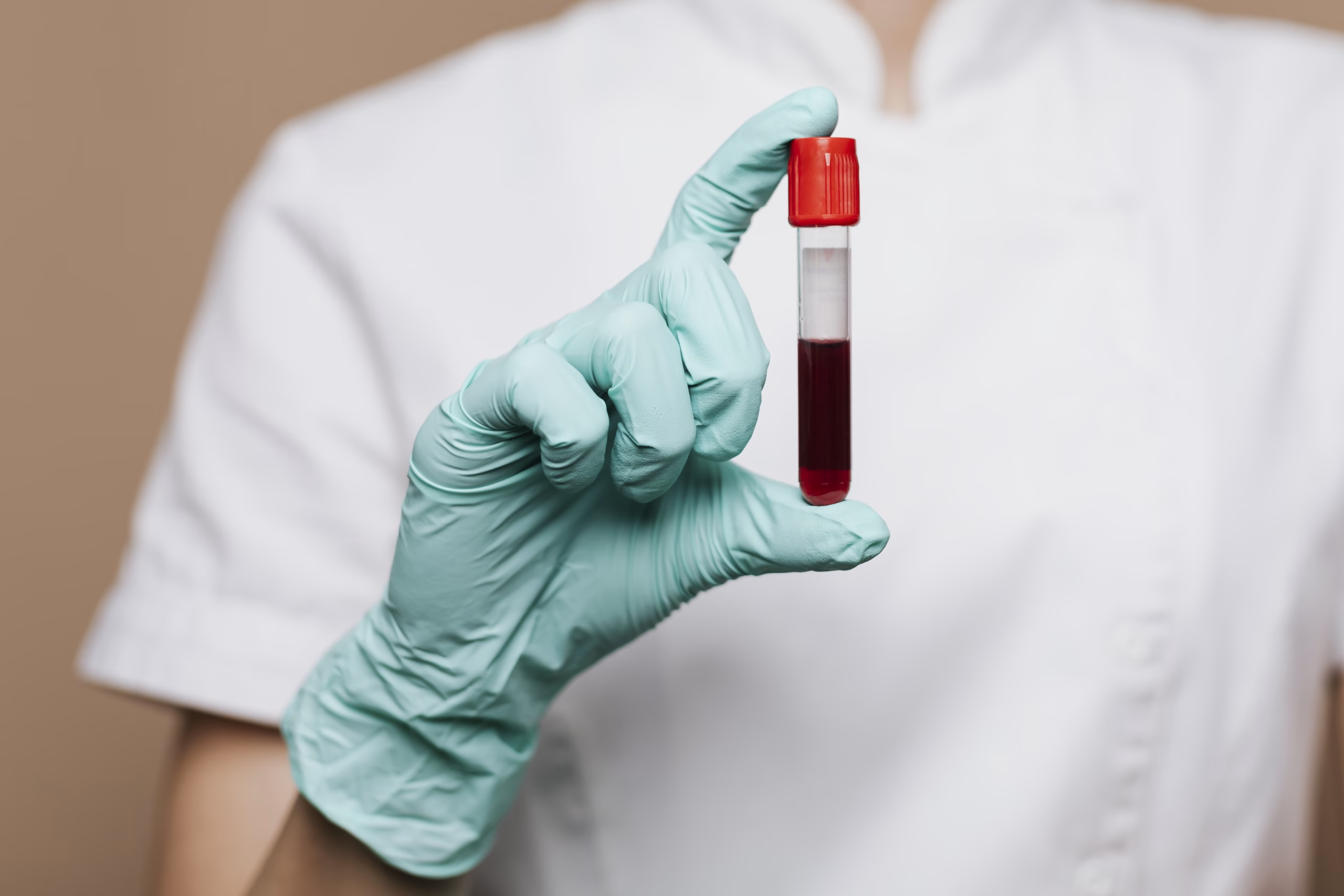
Blood work is one of the most informative parts of the annual physical. Your doctor will typically order a Complete Blood Count (CBC), which checks for anemia, infection, and blood disorders. A Comprehensive Metabolic Panel (CMP) gives a detailed picture of your blood sugar, electrolytes, and kidney and liver function. A lipid panel measures your cholesterol levels, including total cholesterol, HDL (the protective kind), LDL, and triglycerides, to assess your cardiovascular risk. Depending on your age and history, a thyroid function test, blood glucose, or HbA1c for diabetes screening may also be included.
If you needed to fast before the visit, this is the reason. Accurate glucose and lipid readings require that you have not eaten beforehand. The U.S. Preventive Services Task Force (USPSTF) provides evidence-based guidelines on which screenings are appropriate at different ages and risk levels, and your doctor will use those guidelines to personalize your lab orders.
Preventive Screenings
Beyond the physical exam and standard bloodwork, your doctor will discuss age-appropriate preventive screenings. Colorectal cancer screening is recommended beginning at age 45 for average-risk adults. Women between 45 and 54 are generally advised to get annual mammograms, with options to begin at 40. A Pap smear and HPV test may be discussed for cervical cancer prevention. Adults 65 and older may be evaluated for bone density. All adults are advised to be screened for hepatitis C at least once in their lifetime.
These conversations matter. Cancers and chronic diseases caught early are almost always more treatable and less disruptive than those found late.
If you are a resident of Flushing, Jackson Heights, Long Island City, or nearby Queens neighborhoods and have been putting off scheduling your checkup, Doctors of New York makes it easy to get started. The practice is currently welcoming primary care doctors accepting new patients in Queens, offering comprehensive annual physicals with on-site lab services. Call (718) 461-6100 or visit the office at 136-20 38th Ave, Suite 5D, Flushing, NY 11354 to schedule your appointment today.
Vaccination Review
Your doctor will check which vaccines you are currently up to date on and flag any that are due. Adults commonly need an annual flu shot, a tetanus booster every ten years, and depending on age, the shingles vaccine (recommended for adults 50 and older), the pneumonia vaccine, and any necessary COVID-19 updates. Staying current on vaccinations is a simple and effective form of preventive care that is easy to address right during your annual visit.
Lifestyle Counseling and Goal Setting
The final part of what happens at an annual physical exam is a conversation about your lifestyle and health goals. This is where your doctor steps back from the data and talks with you about the bigger picture. If your cholesterol numbers are trending upward, they will discuss dietary changes. If your weight has increased since last year, they will explore realistic options. If you have been dealing with poor sleep or elevated stress, those get addressed too.
This part of the visit often gets underestimated. Small, consistent changes in how you eat, move, and sleep frequently have more impact on long-term health outcomes than any medication. A good doctor does not lecture; they help you find practical adjustments that actually fit your life.
How the Annual Physical Looks Different Based on Age and Gender
The core structure of an annual physical stays consistent, but the specifics are personalized. A healthy 28-year-old man and a 58-year-old woman with a family history of breast cancer will have very different conversations and different screening recommendations, even within the same visit framework. Your doctor adjusts what is examined, what is ordered in the lab, and what screenings are discussed based on your individual age, sex, risk factors, and health history.
For adults over 65, the exam may also include assessments for cognitive function, fall risk, and bone health. For younger adults, the emphasis often shifts more toward lifestyle habits and establishing baseline numbers.
Finding the Right Primary Care Doctor in Queens
Living in a borough as large and diverse as Queens means having access to many healthcare options, but quality and continuity of care are not automatic. Having a doctor who knows your history, who tracks your numbers year over year, and who you feel comfortable being honest with, makes a meaningful difference.
When searching for the best primary care doctor in Queens, it helps to look for a practice that provides comprehensive annual exams, has in-house lab capabilities, and accepts your insurance. Doctors of New York, located in Flushing, serves patients throughout Queens, including Long Island City, Astoria, Jackson Heights, Forest Hills, and Bayside. The team is experienced in preventive care for adults of all ages, speaks multiple languages, and understands the specific healthcare needs of Queens’ diverse communities.
If you are ready to take your health seriously, scheduling an annual physical is the right first step. Doctors of New York is currently accepting new patients. Reach out at +1 (929) 928-0175 or visit us in Flushing, NY. No appointments required.
Frequently Asked Questions
- How long does an annual physical exam take? Most annual physical exams take between 30 and 60 minutes. If you have several concerns to discuss or need additional screenings, the visit may run a bit longer. Coming prepared with a list of questions and your medication information helps make the visit more efficient.
- Do I need to fast before my annual physical? It depends on whether your doctor is ordering fasting blood tests. If a lipid panel or fasting glucose test is part of your lab work, you will typically need to avoid eating or drinking anything other than water for eight to twelve hours before the appointment. Your doctor’s office will let you know in advance.
- What is the difference between an annual physical and a sick visit? A sick visit is focused on diagnosing and treating a specific illness or complaint. An annual physical is a comprehensive preventive checkup that covers your overall health, even when you feel fine. The two serve different purposes, and insurance often covers them differently.
- How often should adults get a physical exam? Most adults should have an annual physical once a year. If you are managing a chronic condition like diabetes, high blood pressure, or heart disease, your doctor may recommend more frequent follow-up visits, typically every three to six months.
- What blood tests are done at an annual physical? Standard blood tests at an annual physical usually include a Complete Blood Count (CBC), a Comprehensive Metabolic Panel (CMP), and a lipid panel. Depending on your age, history, and risk factors, your doctor may also order a thyroid panel, blood glucose or HbA1c for diabetes screening, and other targeted tests.
- Will my insurance cover an annual physical exam? Most health insurance plans, including Medicare, Medicaid, and most private insurers, cover annual wellness visits or preventive physicals at no cost to you. It is always worth confirming with your insurer beforehand, since charges can sometimes apply if the visit moves beyond preventive care into treatment of a new condition.
- What should I bring to my annual physical appointment? Bring a list of all your current medications and supplements (with dosages), your insurance card and a photo ID, any relevant prior lab results or medical records, and a list of symptoms or questions you want to discuss. If you have a blood pressure cuff or glucose monitor at home and have been tracking readings, those numbers are useful to share.
- Is it worth getting an annual physical if I feel completely healthy? Absolutely. Many serious conditions, including high blood pressure, high cholesterol, prediabetes, and certain cancers, develop without any noticeable symptoms. An annual physical is specifically designed to catch these before they cause problems. Feeling healthy is a good sign, but it is not a substitute for knowing your numbers and having a doctor who can identify changes over time.