Yes, pollen allergies can cause a sore throat, and it’s almost always from post-nasal drip irritating the back of your throat rather than pollen itself scraping against it. A true fever is uncommon with pollen allergies, since fever is your immune system fighting an infection, not reacting to an allergen. If your sore throat comes with a temperature above 100.4°F, body aches, or thick, discolored mucus, a cold, the flu, or a sinus infection is more likely than allergies alone. Doctors of New York in Flushing can check you out the same day and tell you which one you’re actually dealing with.
How Pollen Actually Ends Up Irritating Your Throat
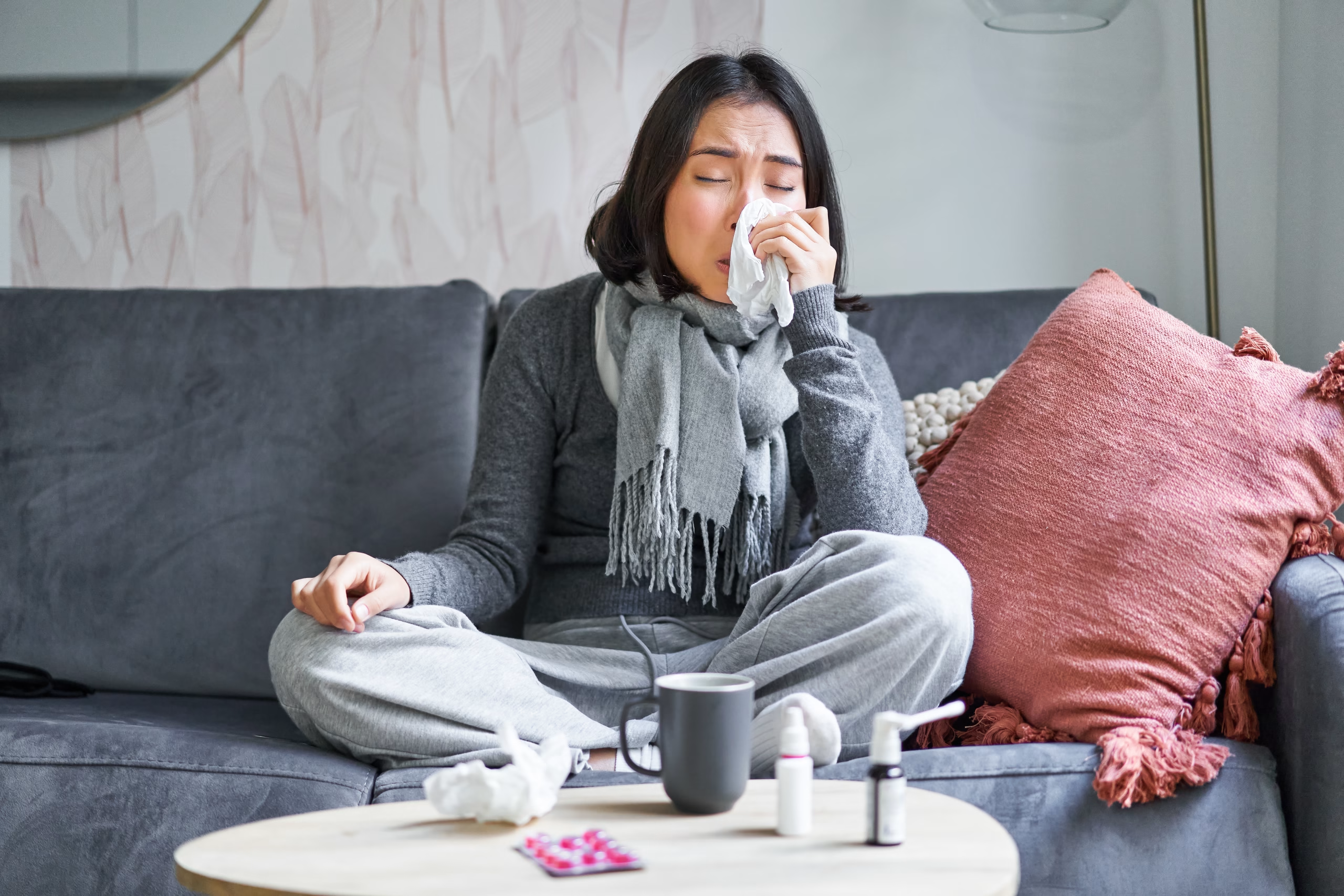
Here’s what happens biologically. When you breathe in pollen, your immune system mistakes it for a threat and releases histamine, even though pollen itself is completely harmless. That histamine response inflames the lining of your nose and throat and ramps up mucus production. Most of that mucus doesn’t stay put. It drips down the back of your throat throughout the day, a process doctors call post-nasal drip, and that constant drainage is what leaves your throat feeling scratchy, raw, or sore by evening.
It’s a pattern we see constantly. Patients who come into our walk-in clinic in Queens during peak tree pollen season in April and May often describe the exact same thing: a fine morning, then a scratchy throat that shows up out of nowhere by afternoon, right along with the itchy eyes and sneezing. Add in mouth breathing from a stuffed-up nose, which dries the throat out even more, and you’ve got a recipe for real discomfort that has nothing to do with catching something from anyone.
Can Pollen Allergies Cause a Sore Throat in New York?
Given how much pollen circulates through Queens every spring, this is one of the most common questions we hear in the office, and the honest answer is yes, but with a caveat worth knowing. Allergy-related sore throats tend to be milder than the kind you get from strep or a bad cold, and they usually come packaged with other classic allergy symptoms like sneezing, itchy or watery eyes, and a runny nose. If your throat pain is sharp, one-sided, or accompanied by a high fever and no other allergy signs, that’s a different story, and it’s worth getting looked at rather than assuming pollen is to blame.
Can Pollen Allergies Also Cause a Fever?
This is where the name “hay fever” throws people off. Despite the name, hay isn’t involved and allergies generally don’t raise your body temperature the way an infection does. So when patients ask us, can pollen allergies cause a fever, our answer is that it’s uncommon and, when a real fever does show up, it usually means something else is going on alongside your allergies, like a cold, the flu, or a sinus infection that developed on top of your existing congestion.
If you do develop a genuine fever along with your sore throat and itchy eyes, it’s worth getting checked rather than assuming it’s just pollen and riding it out. Our urgent care in Flushing, Northern Blvd location runs rapid strep and flu testing right in the office, so you’re not left guessing for days while you feel worse. Doctors of New York also serves Bayside, Astoria, Long Island City, Great Neck and surrounding areas.
Allergy, Sore Throat or Something Else? How to Tell the Difference
A few clues usually settle the question of whether you’re dealing with allergies or an infection.
- Itchy, watery eyes point toward allergies. This symptom is rare with a cold or flu.
- A genuine fever, body aches, or chills point away from allergies and toward a viral or bacterial infection.
- Timing matters. Allergy symptoms tend to flare on high pollen days and ease up when you’re indoors or it rains, while a cold follows its own course regardless of the weather outside.
- Duration is a good tiebreaker too. A cold typically clears up within a week to ten days, but allergy symptoms can hang around for weeks as long as pollen counts stay high.
- Thick, colored (yellow or green) mucus leans more toward an infection than a straightforward allergic reaction.
If you’re genuinely not sure which one you’re dealing with, it’s usually faster to stop in and have someone take a look than to spend a week guessing and treating the wrong thing. You can call Doctors of New York at (929) 928-0175, and we’ll get you seen quickly.
Why Pollen Hits So Hard for Queens Residents
If you live in Flushing, Long Island City, Astoria, Jackson Heights, Forest Hills, or Bayside, you already know your nose has opinions about the calendar. Tree pollen from oak, birch, and maple typically peaks around April and May, and it often overlaps with the first wave of grass pollen, which makes late spring especially rough for anyone sensitive to both.
Grass pollen then carries through June and into July, and by mid-August ragweed takes over, building to its worst point, causing late summer allergies in September before tapering off through October. With parks, tree-lined streets, and green spaces spread throughout the borough, there’s rarely a stretch of the warmer months where Queens is pollen-free, which is exactly why our allergy doctor in Queens, NY sees a steady stream of sore throats, congestion, and itchy eyes from spring through fall.
Easing a Pollen-Related Sore Throat at Home
For a mild, allergy-driven sore throat, a few simple steps at home usually help.
- Try a saline nasal rinse using a neti pot or squeeze bottle with distilled or previously boiled water. It physically flushes pollen and mucus out of your nasal passages instead of letting it drip down your throat, and it’s a method backed by Cleveland Clinic and the FDA as safe when done correctly.
- Gargle with warm salt water a couple of times a day to soothe the irritation directly.
- Take an over-the-counter antihistamine to cut down on the histamine response that’s driving the drip in the first place.
- Run a humidifier at night, especially if you sleep with your mouth open when congested.
- Limit outdoor time on high pollen count days, particularly mid-morning and on windy afternoons when pollen is stirred up.
- Drink warm fluids like tea with honey, which coats and calms an irritated throat.
Most people notice improvement within a few days of consistent home care, especially once pollen counts dip after a good rain.
When It’s Time to See a Doctor
Home care handles most mild cases, but a few warning signs mean it’s time to come in rather than wait it out. A fever above 100.4°F, a sore throat that hasn’t budged after ten days, real trouble swallowing or breathing, or white patches on your tonsils all point to something beyond a simple allergic reaction, possibly strep throat or another infection that needs proper treatment.
There’s no reason to guess or push through it. Stop by our clinic in Flushing or give us a call at (929) 928-0175, and our team will figure out exactly what’s causing your symptoms and get you started on the right treatment the same day.
Frequently Asked Questions
- How do I know if my sore throat is from pollen?
Look at what else is going on. If it’s paired with sneezing, itchy or watery eyes, and a runny nose, and it flares on high pollen days, allergies are the likely cause. A sore throat with fever, body aches, or swollen glands points more toward an infection.
- Can a pollen allergy give you a fever?
Rarely. Pollen allergies typically don’t raise your body temperature since fever signals your body fighting an infection, not an allergen. If you have a real fever, it’s worth ruling out a cold, flu, or sinus infection.
- How long will a sore throat from allergies last?
As long as you’re exposed to the pollen causing it, a sore throat can last which can mean several days to a few weeks during a heavy season. It usually eases once pollen counts drop or you start treatment.
- How do you flush pollen out of your system?
Saline nasal irrigation is the most direct method, using a neti pot or squeeze bottle with distilled or boiled water to rinse pollen out of your nasal passages before it can drip into your throat. Staying hydrated and gargling warm salt water also helps clear irritants.
- Is a sore throat from allergies contagious?
No. Since it’s caused by your own immune response to pollen rather than a virus or bacteria, you can’t pass it to anyone else.
- What does an allergy cough sound like compared to a cold?
An allergy cough is usually dry and tied to post-nasal drip, often worse at night or right after waking up. A cold-related cough tends to be more productive and comes with other infection signs like fever or body aches.
- Can allergies cause swollen lymph nodes?
It’s uncommon. Swollen, tender lymph nodes more often point to an infection like strep throat, so if you notice this along with your sore throat, it’s worth getting checked.
- Why are my allergies worse this year in New York?
Warmer winters and longer growing seasons have been extending pollen season in the Northeast, which means more overlap between tree, grass, and ragweed pollen and a longer stretch of symptoms for a lot of people.
- Should I take Benadryl or Claritin for a sore throat from allergies?
Either type of antihistamine can help by reducing the histamine response driving your symptoms. Non-drowsy options like Claritin work well for daytime use, while Benadryl is often better saved for nighttime since it can cause sleepiness.
- Can pollen allergies cause a sore throat and cough without any other symptoms?
It’s possible but less common. Most allergy sufferers also notice sneezing or itchy eyes alongside the throat and cough, so if those are completely absent, it’s worth considering whether something else, like reflux or a mild infection, might be the cause.