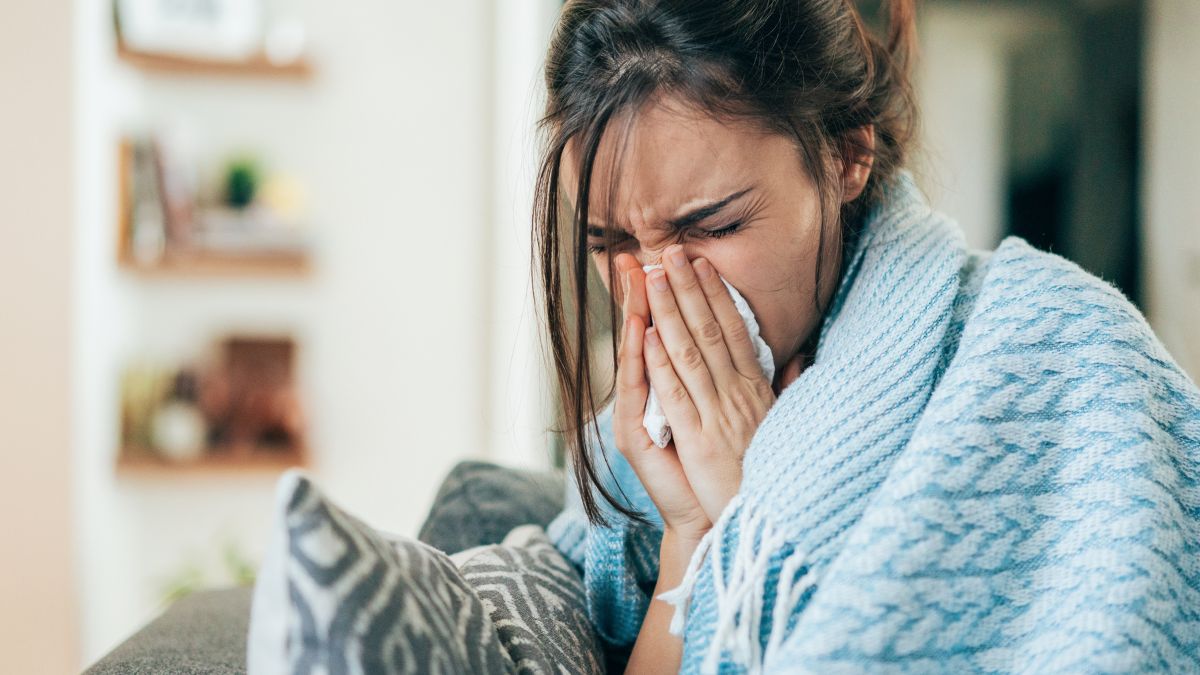
Late summer allergies in New York are primarily triggered by ragweed pollen, which begins releasing in early August and peaks in mid-September, lasting until the first frost. Common symptoms include sneezing, runny nose, itchy and watery eyes, nasal congestion, and fatigue. Mold spores and lingering grass pollen also contribute to the seasonal burden, especially in dense urban neighborhoods like Flushing, Astoria, and Jackson Heights in Queens. Urgent care clinics can evaluate symptoms, rule out sinus infections or viral illness, and provide same-day prescription treatment without the wait for a specialist appointment.
Why Late Summer Is One of the Hardest Times of Year for New Yorkers with Allergies
Most people assume spring is the worst season for allergies. And while April and May can certainly be brutal for tree pollen sufferers, the reality is that late summer allergies hit a completely different set of people, often harder and for longer. If you have been sneezing constantly since early August, waking up with a stuffy nose, or rubbing your eyes through most of your commute, you are probably not dealing with a cold.
What you are likely experiencing is late summer allergy season in New York, a period that starts quietly in late July and builds into a full peak by mid-September. Queens neighborhoods like Flushing, Forest Hills, Bayside, and Astoria are particularly affected because pollen from outlying green spaces and parks drifts into densely built streets where tall buildings and narrow corridors trap it at ground level. That urban canyon effect keeps allergen concentrations elevated longer than in suburban or rural settings.
If you are looking for an allergy doctor in Queens, NY who understands these neighborhood-specific patterns, Doctors of New York in Flushing sees patients from across the borough and surrounding communities and can help you get a clear picture of what is triggering your symptoms.
The Main Triggers Behind Late Summer Allergies in New York
Understanding what is in the air makes it a lot easier to manage your exposure and plan your treatment.
- Ragweed pollen is by far the biggest culprit. This weed grows throughout the Eastern United States and starts releasing pollen as early as mid-August in the New York area. A single ragweed plant can produce up to one billion pollen grains in a season, and those grains are so lightweight they can travel more than 100 miles on the wind. You do not need a park or a field nearby to be affected. Ragweed pollen levels are highest in the morning, typically between 10 a.m. and 3 p.m. on warm, dry, breezy days. That is exactly the kind of weather New York gets in August and September.
- Mold spores peak during late summer as well. Alternaria and Cladosporium are the two most common outdoor mold types, and they thrive in humid, warm conditions. If you commute via the subway and notice your symptoms are worse during your morning ride, mold could be a meaningful part of the problem. The NYC subway system is a particularly mold-friendly environment given the heat and persistent humidity underground.
- Grass pollen is still circulating in the early part of late summer. Timothy grass, Bermuda grass, and rye are the usual suspects, and while they tend to peak earlier in the summer, their presence continues into August in many parts of the New York metro area.
- Urban air pollution acts as a co-trigger. Exhaust, smog, and fine particulate matter do not cause allergies on their own, but they irritate already-inflamed airways and make people more reactive to the allergens that are present.
What Late Summer Allergy Symptoms Actually Feel Like
Late August allergies in NY can feel almost indistinguishable from a cold at first, which is part of why so many people wait too long to get proper treatment. The classic symptoms of late summer allergies include persistent sneezing (often in clusters), a runny nose with clear discharge, nasal congestion that seems worse in the morning, itchy or watery eyes, an itchy or scratchy throat, and a low-grade fatigue that tends to drag on for weeks.
What is distinctly different from a cold is the absence of fever and the fact that symptoms do not resolve in seven to ten days. With allergies, you keep feeling bad as long as the pollen is in the air. Antihistamines often bring noticeable relief, which is itself a useful diagnostic clue.
For people with asthma, late summer allergies in New York carry an added risk. September is well-documented as the month when asthma-related emergency room visits spike nationally. Ragweed pollen is one of the primary drivers of this pattern. If you have asthma and you start noticing more wheezing, chest tightness, or shortness of breath during this period, that is not something to push through without medical guidance.
One thing that surprises some patients is oral allergy syndrome. If you are allergic to ragweed and you have started noticing an itchy mouth or throat after eating melons, cucumbers, or zucchini, that is not a coincidence. Ragweed shares proteins with certain foods, and your immune system can react to both.
How to Tell the Difference Between Allergies, a Cold, and a Sinus Infection
This is genuinely one of the most common questions we hear at this time of year. The symptoms overlap enough that it is easy to misread what is going on.
Allergies typically produce clear nasal discharge, sneezing, and itchy eyes. There is no fever and no body aches. Symptoms persist as long as you are exposed to the allergen and tend to improve when you go indoors or take an antihistamine.
A cold comes on gradually and may include a mild sore throat, low-grade fever, and general fatigue. Most cold symptoms resolve within seven to ten days on their own.
A sinus infection often develops when untreated allergies block normal sinus drainage and create an environment where bacteria can grow. Signs include thick yellow or green mucus, facial pressure or pain around the cheekbones and forehead, and symptoms that get worse rather than better after ten days. A sinus infection usually requires antibiotics if it is bacterial in origin.
The important point is that untreated late summer allergies can very easily spiral into a sinus infection. Getting the right diagnosis early keeps that cycle from starting.
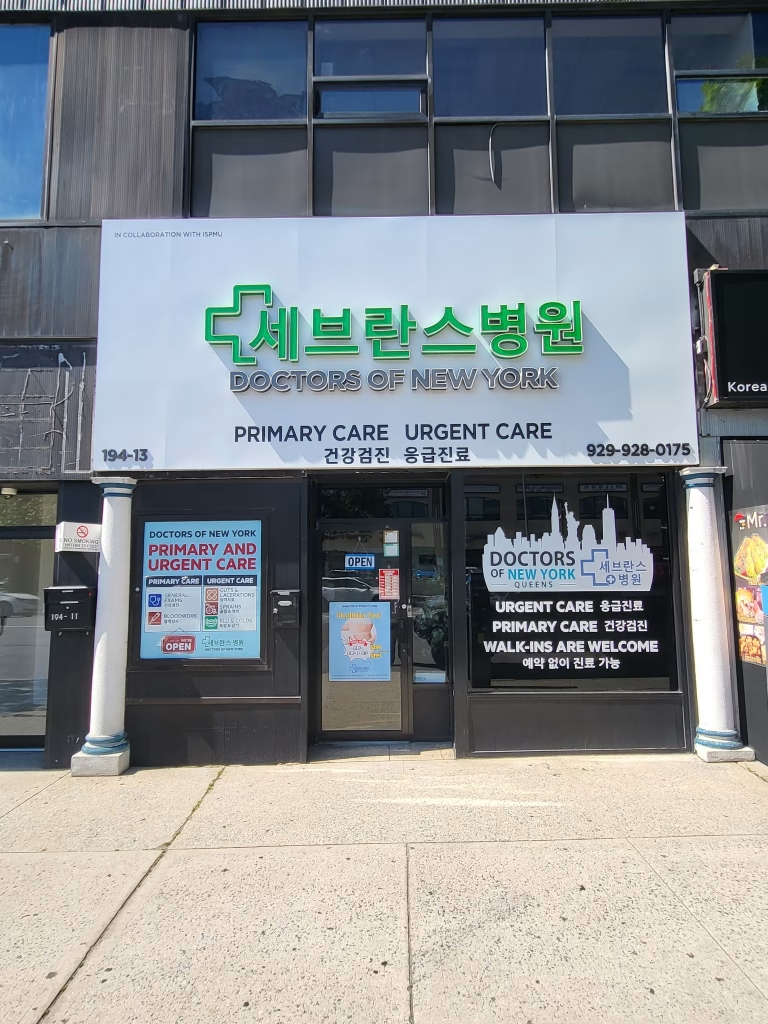
If you are unsure what you are dealing with, the team at Doctors of New York in Flushing can evaluate your symptoms the same day. We serve patients from Flushing, Long Island City, Astoria, Jackson Heights, Forest Hills, Bayside, and surrounding neighborhoods. Call us at +1 (929) 928-0175 to book an appointment, or simply come in.
What an Allergist in Queens Can Do for You During Late Summer Allergy Season
Seeing an allergist in Queens, NY during this period opens up options that go well beyond what you can get from the pharmacy aisle. The first step is figuring out exactly what you are allergic to, which is not always obvious. Some patients assume ragweed is their main trigger and discover they are also reacting significantly to mold. Others have never connected their August misery to any specific cause.
Skin prick testing is the most common diagnostic tool. A diluted allergen is applied to the surface of your skin, and a reaction (typically a small raised bump) shows up within about fifteen minutes if you are sensitive to that allergen. Blood tests can also detect allergen-specific antibodies.
Once triggers are confirmed, treatment options include the following.
- Nasal corticosteroid sprays are generally the most effective option for nasal symptoms. They reduce inflammation in the nasal passages and work best when used consistently throughout the season, not just on the days when you feel worst.
- Antihistamines help with sneezing, runny nose, and itchy eyes. Second-generation options like cetirizine, loratadine, and fexofenadine cause less drowsiness than older formulations.
- Decongestants can provide short-term relief for congestion but are not recommended for extended daily use.
- Saline nasal rinses help clear pollen and mold spores from nasal passages and are a low-cost, effective complement to medication.
- Immunotherapy, in the form of allergy shots or sublingual tablets, builds up your immune tolerance over time. This is the closest thing to a long-term solution for people who suffer severely every year. Note that sublingual tablets for ragweed allergy must be started about twelve weeks before ragweed season to be effective, which means the time to talk to your doctor about this option is late spring.
Practical Steps to Reduce Your Exposure During Late Summer
Managing late august allergies is not only about medication. A few behavioral adjustments can meaningfully reduce how much allergen you take in each day.
- Check the local pollen count each morning before you go outside. The American Academy of Allergy, Asthma, and Immunology maintains a network of pollen monitoring stations and provides this data publicly.
- Keep your windows closed at home and in the car, especially in the morning when ragweed pollen counts are at their highest.
- Shower and change clothes when you come home from spending time outdoors. Pollen clings to hair and fabric.
- Run an air purifier with a HEPA filter in your bedroom if you are particularly sensitive.
- Avoid mowing the lawn or raking leaves during peak pollen hours. If you have to do yardwork, wear an N95 mask.
- If you use the subway regularly and mold seems to be a significant trigger, an N95 mask during your commute is worth considering.
- Start your allergy medications before peak season rather than after symptoms are already severe. Getting ahead of the inflammatory response is always easier than trying to catch up.
How Urgent Care Can Help When Allergies Are Disrupting Your Daily Life
There is a common misconception that you have to wait weeks for a specialist appointment before getting meaningful help for allergies. That is not true. An allergy doctor in Queens at an urgent care or primary care practice can do quite a lot on the same day you walk in.
At Doctors of New York, we can evaluate whether your symptoms are allergies, a viral cold, a sinus infection, or something else. We can recommend or prescribe appropriate medications, including prescription-strength nasal sprays and antihistamines that outperform most OTC options. If you have developed a sinus infection as a complication of your allergies, we can treat that directly. For patients with respiratory symptoms, we can assess breathing and provide appropriate treatment. We can also refer you to a specialist or arrange further testing if your situation calls for it.
The one scenario where you should skip urgent care and go directly to an emergency room is if you are experiencing throat tightening, significant facial swelling, or serious difficulty breathing. Those are potential signs of anaphylaxis and need emergency treatment immediately.
For everything short of that, same-day care is available. Do not let allergy symptoms drag on for weeks while you wait for relief.
You Do Not Have to White-Knuckle Your Way Through Late Summer in New York
Late summer allergies in New York are genuinely one of the more disruptive health experiences for people in Queens, who deal with an added layer of urban allergen concentration that makes it harder than it might be elsewhere. Ragweed season typically lasts six to ten weeks, which is a long time to be miserable if you are not getting effective treatment.
Whether this is your first experience with late summer symptoms or you have been suffering through this season for years without a solid management plan, it is worth getting an evaluation. Knowing your exact triggers, having the right medications on hand before peak weeks hit, and understanding how to limit your daily exposure can make a dramatic difference in how you feel between now and the first frost.
The team at Doctors of New York in Flushing, Queens is here to help. We serve patients from Flushing, Long Island City, Astoria, Jackson Heights, Forest Hills, Bayside, and nearby communities. Call us at +1 (929) 928-0175 or visit our clinic to book your appointment and get ahead of the season.
Frequently Asked Questions
1. When does late summer allergy season start and end in New York?
Late summer allergy season in New York typically begins in early August, driven primarily by ragweed pollen. Symptoms peak around mid-September and continue through October, ending only after the first hard frost kills the ragweed plants. Mold spores can persist even after frost in some cases.
2. How do I know if my late August allergies are from ragweed or something else?
Ragweed is the dominant allergen in late August and September in New York, but mold spores and lingering grass pollen also play a role. The most reliable way to know your specific triggers is through skin prick testing with an allergist. If your symptoms follow a pattern every August and improve indoors or with antihistamines, ragweed is a likely cause.
3. What is the difference between late summer allergies and a cold?
Allergies do not cause fever or body aches and typically involve clear nasal discharge, persistent sneezing, and itchy or watery eyes. A cold usually resolves in seven to ten days and may include a mild sore throat and low-grade fever. If symptoms last more than ten days without improvement, it is probably not a cold.
4. Can late summer allergies trigger asthma attacks?
Yes. Ragweed pollen is one of the most well-documented triggers of asthma flare-ups, and September is historically the peak month for asthma-related hospitalizations in the United States. If you have asthma and notice increased wheezing or chest tightness during late summer, speak with your doctor promptly.
5. Can I go to urgent care for allergy symptoms, or do I need a specialist?
Urgent care is appropriate for most allergy-related concerns, including diagnosis, prescription medications, and treatment of sinus infections that develop from allergies. A specialist (allergist) is most helpful when you need allergy testing to identify specific triggers or when you are considering long-term immunotherapy.
6. What medications work best for late summer ragweed allergies?
Nasal corticosteroid sprays are generally considered the most effective option for nasal allergy symptoms. Second-generation antihistamines (cetirizine, loratadine, fexofenadine) help with sneezing and eye symptoms. Saline rinses are a useful complement. For severe or recurring symptoms, a doctor can prescribe stronger options or evaluate you for immunotherapy.
7. Why do my allergy symptoms seem worse on some days than others?
Ragweed pollen counts vary significantly by weather. Warm, dry, windy days with low humidity push counts higher, especially between 10 a.m. and 3 p.m. Cool, rainy days tend to suppress pollen. Checking your local pollen count in the morning can help you plan outdoor activities and medication timing.
8. Is ragweed allergy season getting longer in New York?
Research shows that due to climate change, ragweed pollen season now lasts up to three weeks longer than it did historically. The further north you live, the more pronounced this extension tends to be. This means New Yorkers may be dealing with late summer allergy symptoms well into October in recent years.