
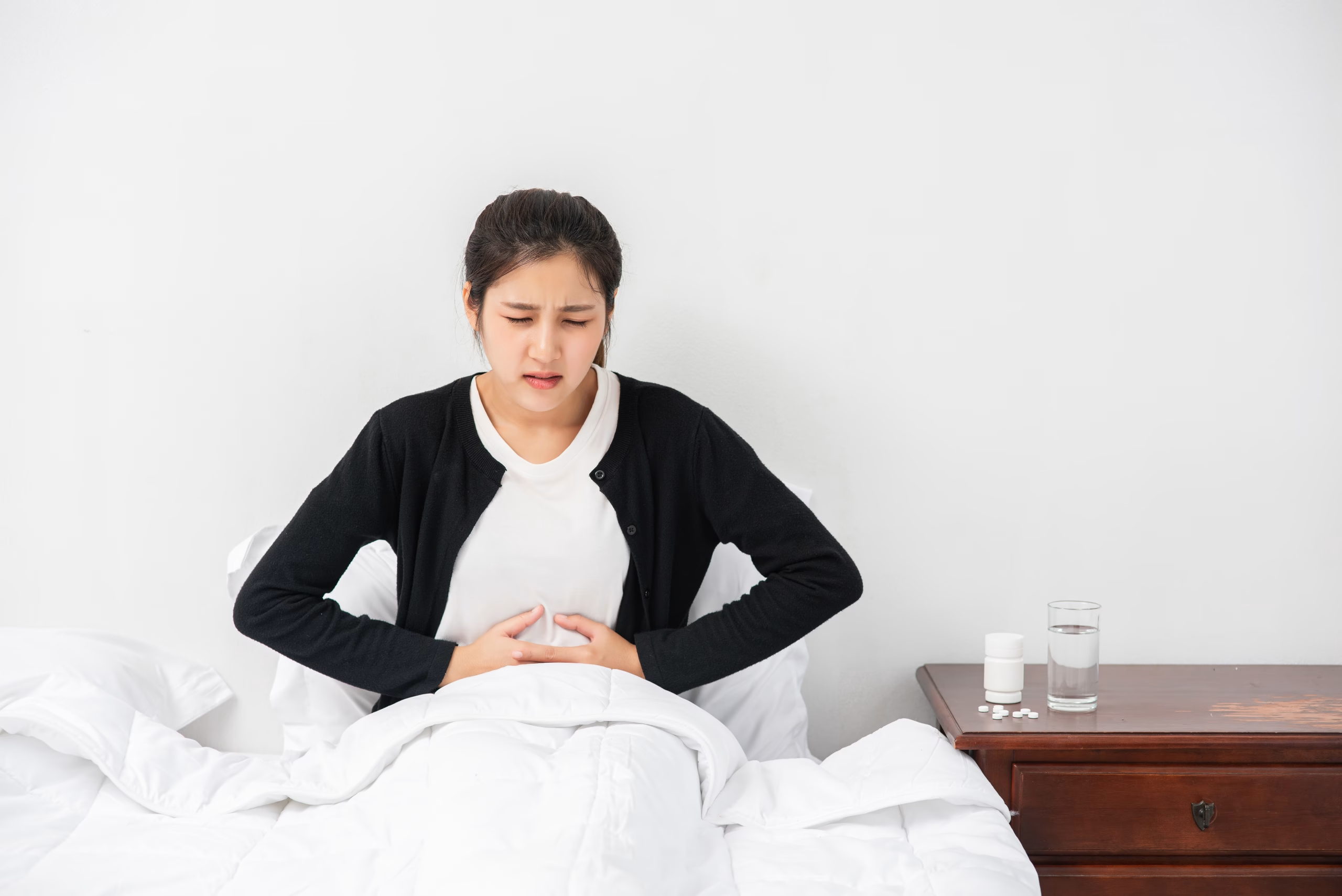
Abdominal pain after eating is usually caused by one of three things: gastritis (stomach lining irritation), a food intolerance like lactose intolerance, or gallbladder problems such as gallstones. Gastritis pain sits high in the belly and often improves or worsens right after meals. Gallbladder pain tends to hit 30 to 60 minutes after a fatty meal and sits under the right ribs. Food intolerance pain shows up more gradually, usually with bloating and gas. If the pain is severe, doesn’t ease within a few hours, or comes with fever or vomiting, it needs same-day medical attention.
If you’ve ever finished a meal in Flushing, Astoria, or Jackson Heights and found yourself doubled over an hour later wondering what just happened, you’re far from alone. Abdominal pain after eating is one of the most common complaints we see walk through our doors, and honestly, it can come from a dozen different places in the body. Some of it is nothing to worry about. Some of it is your gallbladder waving a red flag. The trick is knowing which is which, and that’s exactly what we want to walk through here.
Why Does My Stomach Hurt After I Eat?
When food enters your stomach, it triggers a whole chain reaction: acid production increases, the stomach churns, the gallbladder squeezes out bile, and your intestines start absorbing nutrients. If any link in that chain is irritated, inflamed, or blocked, you feel it as pain. That’s why the timing and location of your pain actually tells a doctor a lot. Pain that hits within minutes and sits high in the belly points one direction. Pain that shows up an hour later under your right ribs points somewhere else entirely. And if a particular food, dairy for instance, seems to be the common thread every single time, that’s its own clue. We’ll break down the three most common culprits one by one.
Gastritis: When the Stomach Lining Gets Irritated
Gastritis is inflammation of the stomach lining, and it’s a genuinely common reason for upper abdominal pain after eating. People describe it as a gnawing or burning ache right in the upper belly, and here’s the interesting part: it can feel either better or worse depending on whether your stomach is empty or full. Some people also notice they feel unusually full after just a few bites. Gastritis can flare up suddenly (acute) from things like alcohol, spicy food, or frequent use of NSAIDs like ibuprofen, or it can build up slowly over months (chronic), often tied to an H. pylori bacterial infection. Most cases settle down with dietary changes and short-term medication, but if you’re getting upper abdominal pain after eating for more than a week straight, it’s worth getting checked out rather than just riding it out with antacids.
Food Intolerance: The Dairy, Gluten, and FODMAP Connection
A huge number of people dealing with recurring abdominal pain after eating actually have a food intolerance, and lactose intolerance is the poster child here. When your small intestine doesn’t make enough lactase, the enzyme that breaks down milk sugar, that undigested lactose travels down to your colon, where gut bacteria ferment it and produce gas and fluid. That’s what creates the cramping, bloating, and abdominal pain, usually 30 minutes to two hours after eating dairy. Globally, a large share of adults have some degree of lactose malabsorption, so if cheese, ice cream, or a glass of milk reliably sets off your symptoms, that’s a strong clue. Gluten sensitivity and FODMAP intolerance (a group of fermentable carbs found in things like onions, garlic, beans, and wheat) follow a similar pattern of delayed, dose-dependent discomfort. If you’re not sure whether it’s dairy, gluten, or something else entirely, working with an abdominal pain doctor in Queens to track your symptoms against your meals can save you months of guesswork and unnecessary food restriction.
Gallbladder Issues: Why Fatty Meals Are the Usual Trigger
If your pain shows up like clockwork after a rich, fried, or fatty meal, particularly under your right ribs, and sometimes wraps around to your back or right shoulder blade, your gallbladder deserves a closer look. Here’s what’s happening: your gallbladder stores bile and releases it to help digest fat. Fatty foods make it contract harder, and if there are gallstones sitting in there, that contraction can trap a stone against the bile duct, causing pressure and pain that we call a gallbladder attack, or biliary colic. This pain typically starts 30 to 60 minutes after eating and can last anywhere from half an hour to several hours. It’s worth knowing that roughly 15 to 20 percent of adults have gallstones and never feel a thing, so having stones isn’t automatically a problem, it’s when they start blocking things up that trouble begins. If you notice fever, yellowing of your skin or eyes, or pain that just won’t quit past four or five hours, that’s not a wait-and-see situation anymore.
If you’ve been noticing a pattern like this for a while and haven’t had it looked at, it’s genuinely worth stopping by our office. At Doctors of New York in Flushing, our team sees this exact combination of symptoms regularly, and a simple exam, some bloodwork, or an ultrasound can usually pin down whether it’s your gallbladder, your stomach lining, or something dietary. You can call us at +19299280175 to book a visit, or just walk in if you’re already in the neighborhood.
Other Reasons Your Stomach Might Hurt After Eating
Gastritis, food intolerance, and gallbladder issues cover most of what we see, but they’re not the only possibilities. A few other things worth mentioning:
- Peptic ulcers, which are sores in the stomach or upper intestine lining, can cause a similar burning pain, sometimes worse on an empty stomach and better right after eating, which is actually the opposite pattern of many gastritis cases.
- Acid reflux (GERD) causes a burning sensation that travels up from the stomach, often mistaken for general abdominal pain after eating, especially after large or late-night meals.
- Pancreatitis, inflammation of the pancreas, tends to cause severe, steady pain in the upper abdomen that can radiate to the back, and it’s often linked to alcohol use or gallstones.
- Irritable bowel syndrome (IBS) causes cramping and bloating tied to certain foods, similar to food intolerance, but with a broader trigger list and more variable bowel habits.
- Appendicitis usually starts around the belly button and shifts to the lower right abdomen, and while it’s less directly tied to eating, worsening pain after a meal shouldn’t be ignored.
When Should You See a Doctor or Go to Urgent Care?
Occasional mild discomfort after a heavy meal is normal. What’s not normal is pain that keeps coming back, gets worse over weeks, or comes with other symptoms. Here’s a simple way to think about timing. If your pain is mild, comes and goes, and you can point to a food that triggers it, a scheduled visit with your doctor makes sense. If the pain is sudden, intense, doesn’t ease up after a couple of hours, or is accompanied by fever, vomiting, jaundice, or blood in your stool or vomit, that calls for same-day evaluation. For situations like that, an abdominal pain urgent care in Flushing, NY option is the safer route than waiting for a scheduled appointment days out. Trust your gut here, quite literally. If something feels off enough that you’re already searching for answers online, it’s worth having it checked.
How Doctors Figure Out the Cause
Diagnosis usually starts with a conversation, and it’s a more detailed one than people expect. We’ll ask about when the pain starts relative to eating, exactly where it’s located, whether specific foods set it off, and whether you’ve noticed any weight loss, fever, or changes in your stool. From there, depending on what the history suggests, we might order bloodwork, test for H. pylori, or get an abdominal ultrasound to check the gallbladder for stones. For food intolerance, an elimination diet or breath testing can help confirm lactose or FODMAP sensitivity. None of these tests are particularly invasive, and having a clear answer usually beats months of trial-and-error with your diet.
The Bottom Line
Upper abdominal pain after eating almost always has an explanation, and in most cases it’s manageable once you know what you’re dealing with. Gastritis responds well to dietary changes and, if needed, short-term medication. Food intolerances are often solved simply by identifying and limiting the trigger. Gallbladder issues sometimes need monitoring and sometimes need a surgical consult, depending on severity. The one thing we’d caution against is ignoring a pattern that keeps repeating itself, because upper abdominal pain after eating that recurs week after week is your body’s way of flagging something that needs attention, not something to just push through. According to the National Institute of Diabetes and Digestive and Kidney Diseases, understanding your specific digestive triggers is often the first and most useful step toward lasting relief. If you’re dealing with recurring abdominal pain after eating and want a clear answer instead of more guessing, our team at Doctors of New York in Flushing is easy to reach. Give us a call at +19299280175 to schedule a visit, or stop in, and we’ll help you sort out exactly what’s going on.
Frequently Asked Questions
Why does my stomach hurt an hour after I eat?
Pain that shows up roughly 30 to 60 minutes after eating, especially after a fatty meal, is a classic sign of gallbladder trouble like gallstones. If it’s tied to dairy specifically, lactose intolerance is more likely.
What does gallbladder pain feel like compared to gas pain?
Gallbladder pain is usually a steady, intense ache under the right ribs that can spread to your back or shoulder blade and lasts from 30 minutes to several hours. Gas pain tends to be crampy, moves around the belly, and often eases after passing gas or a bowel movement.
Can food intolerance cause sharp abdominal pain?
Yes, food intolerances like lactose intolerance or FODMAP sensitivity can cause cramping that feels sharp, along with bloating and gas, typically appearing 30 minutes to 2 hours after eating the trigger food.
Is it normal to have stomach pain after every meal?
No, pain after every single meal isn’t something to just live with. It suggests a consistent underlying cause, whether that’s gastritis, a food sensitivity, or gallbladder issues, and it’s worth getting evaluated rather than adjusting your diet indefinitely without an answer.
How do I know if it’s gastritis or an ulcer?
Both cause upper abdominal burning, but gastritis pain often worsens or improves inconsistently with eating, while ulcer pain classically improves right after eating and returns a couple of hours later when the stomach is empty. A doctor can confirm with testing.
Should I go to the ER or urgent care for abdominal pain after eating?
If you have severe pain lasting more than a few hours, fever, persistent vomiting, jaundice, or blood in your stool or vomit, go to the ER. For milder but concerning symptoms that need quicker attention than a scheduled visit, urgent care is appropriate.
What foods commonly trigger gallbladder pain?
Fried foods, fatty cuts of meat, full-fat dairy, and rich desserts are the most common triggers, since high-fat meals make the gallbladder contract harder to release bile.
Can stress cause abdominal pain after eating?
Stress doesn’t directly cause conditions like gallstones or lactose intolerance, but it can worsen gastritis symptoms and slow digestion, which may make existing abdominal discomfort feel more intense after meals.