
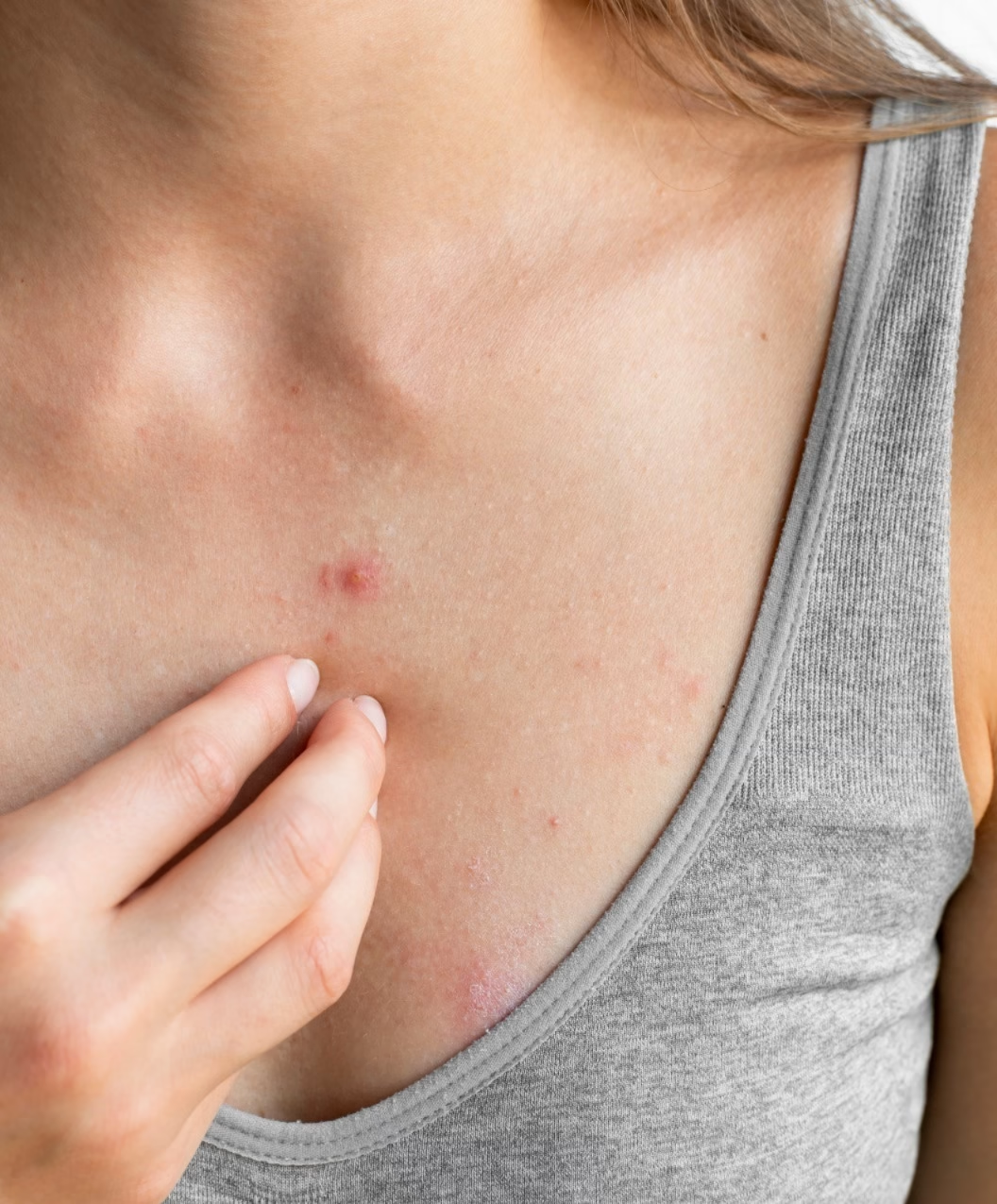
Boils are painful, pus-filled skin infections caused primarily by Staphylococcus aureus bacteria infecting a hair follicle. Recurring boils, medically called chronic furunculosis, are most often triggered by bacterial carrier states (including MRSA), uncontrolled diabetes, a weakened immune system, hidradenitis suppurativa, poor nutrition, or close contact with an infected person. If you keep getting boils in the same spot or they return frequently, that is a sign your body needs a proper medical evaluation, not just another round of home remedies. Residents of Queens, Flushing, Astoria, and surrounding neighborhoods can seek evaluation at Doctors of New York to identify the root cause and stop the cycle.
If you have ever dealt with a boil, you already know how miserable they can be. That throbbing lump under your skin, the heat radiating from it, the way it makes even sitting in a chair uncomfortable. But what really stops people in their tracks is when it keeps happening. One boil, fine. Two boils, annoying. But when you are on your third or fourth in a few months, or when you keep finding one in the exact same spot, that is your body telling you something is going on beneath the surface. For anyone in Queens searching for a doctor for boil treatment in Queens, understanding the real reasons behind recurring boils is the first step toward actually fixing the problem.
What Is a Boil, Exactly?
A boil, medically called a furuncle, is a deep infection of a hair follicle. It starts when bacteria, most commonly Staphylococcus aureus, get under the skin and begin multiplying. Your immune system sends white blood cells to fight the infection, and the result is that familiar red, swollen, pus-filled lump. When a cluster of follicles gets infected at the same time, it becomes a carbuncle, which is larger, more painful, and takes longer to heal. Most single boils resolve on their own within two to three weeks, but that is not the full story when what causes recurring boils is the real question on your mind.
The Most Common Reasons You Keep Getting Boils
You May Be a Staph Carrier Without Knowing It
This is one of the most underappreciated reasons behind recurrent boils. A specific strain of Staphylococcus aureus, sometimes called PVL staphylococcus, can live harmlessly on your skin or inside your nasal passages without causing any obvious symptoms. You are essentially a carrier. The bacteria do not cause constant trouble until your skin is broken by a small cut, ingrown hair, or friction, and then they invade quickly and cause a boil. What makes this especially tricky is that you can clear a boil and feel fine, only to have the cycle restart because the bacteria were never actually eliminated. Household members can also carry and pass the bacteria back and forth, which is why one person in a family sometimes seems to get boil after boil.
MRSA: The Drug-Resistant Version You Need to Know About
MRSA, or methicillin-resistant Staphylococcus aureus, is a strain of Staph bacteria that has developed resistance to many common antibiotics. It is no longer just a hospital issue. Community-acquired MRSA is a real concern, and studies show that people who carry MRSA have roughly a 40 to 50 percent chance of developing a recurrent skin infection within a year. If you have been treated for a boil with antibiotics and it keeps coming back, MRSA may be the reason the treatment is not sticking. A culture test, where your doctor swabs the boil to identify the specific bacteria and its antibiotic sensitivities, is the only reliable way to know for sure.
Diabetes and High Blood Sugar
Uncontrolled or undiagnosed diabetes is one of the most clinically significant contributors to what causes recurring boils. Elevated blood glucose impairs the function of white blood cells, which are your front-line defenders against bacterial infections. When your immune response is sluggish, bacteria that might normally be cleared quickly are able to multiply, infect hair follicles, and form boils. Many patients at urgent care in Flushing come in for what they think is just a recurring skin issue, only to find out through bloodwork that their blood sugar has been running high for some time. If you have recurring boils and have not had your glucose levels checked recently, that needs to happen.
A Weakened Immune System
Beyond diabetes, a range of factors can suppress immune function enough to make you more vulnerable to skin infections. Chronic stress, consistently poor sleep, nutritional deficiencies (particularly iron and vitamin C), and medications like corticosteroids or chemotherapy drugs all lower your immune defenses. Conditions such as HIV/AIDS also significantly increase susceptibility. Your immune system is your primary barrier against Staphylococcus aureus taking hold. When that barrier is compromised for any reason, the skin infections you normally would not get start happening more frequently, and they tend to be harder to resolve.
Recurring Boils in the Same Spot: Could It Be Hidradenitis Suppurativa?
This one catches a lot of people off guard. If you are consistently dealing with recurring boils, especially in inner thighs, armpits, groin, or under the breasts, you may not be dealing with ordinary boils at all. You may have a condition called hidradenitis suppurativa (HS). HS is a chronic inflammatory skin disease where hair follicles become blocked, rupture, and trigger repeated cycles of painful lumps, abscesses, and scarring. It is often misdiagnosed for years because it looks so much like regular boils.
Harvard Health and the Cleveland Clinic both describe HS as a condition where lesions recur more than twice in a six-month period in those characteristic skin-fold areas. HS is not caused by poor hygiene, and it is not contagious.
It is influenced by genetics, hormones, smoking, and obesity. There is no cure, but with proper diagnosis and a treatment plan, it can be managed effectively. If this sounds familiar, please do not wait to get it evaluated. You can call Doctors of New York at +1 (929) 928-0175 or visit our clinic in Flushing to get a proper assessment. Our team works with patients from across Queens including Long Island City, Astoria, Jackson Heights, Forest Hills, and Bayside.
Obesity and Skin Friction
Body weight plays a real role here, and it is worth understanding the mechanism rather than just making a passing mention. Skin folds in areas of higher body weight create warm, moist environments where bacteria thrive. Friction from skin rubbing against skin or clothing repeatedly damages the outer skin barrier, giving bacteria an easy entry point. This is also why obesity is a recognized risk factor for hidradenitis suppurativa specifically. Losing weight does not guarantee boils will stop, but it does reduce a key environmental trigger.
Poor Nutrition and Specific Deficiencies
Iron deficiency anemia is directly linked to reduced immune cell activity, which makes skin infections easier to establish. Vitamin C deficiency impairs neutrophil function, and neutrophils are among the immune cells that combat bacterial skin infections. Research published in the British Journal of General Practice found that recurrence within one year following a boil is common, and nutritional status is one of the modifiable factors that influences that risk. If your diet has been inconsistent or your energy levels have been low, a basic blood panel checking your iron, hemoglobin, and vitamin levels alongside a boil evaluation is a smart move.
Close Contact and Shared Items
Boils are not contagious in the way a cold is, but the bacteria inside a draining boil absolutely can transfer to another person through direct skin contact or shared towels, razors, or clothing. If someone else in your household is also getting boils, this is an important factor. Decolonization treatment, where the whole household uses antiseptic washes and sometimes antibiotic nasal cream, may be recommended by your provider to break the cycle of reinfection.
When Should You See a Doctor?
Not every boil requires a clinic visit. A small, isolated boil without fever can often be managed at home with warm compresses applied several times a day. But there are clear situations where professional care is not optional. Seek medical attention if the boil is accompanied by fever, if you see red streaks spreading from the area (a sign the infection may be entering the lymphatic system), if it is on your face or near your spine, if it is not improving after two weeks, or if you are experiencing recurring boils in the same spot repeatedly. Patients with diabetes or any immune-compromising condition should always see a doctor for boil treatment rather than trying to manage it at home. And if you have had multiple boils in the past year, a proper workup including blood sugar testing, a CBC, and a culture is the kind of care that actually addresses the root cause.
How Recurring Boils Are Diagnosed and Treated
When you come into a clinic for recurring boils, the approach is not just draining the current one and sending you home. A thorough evaluation looks at your full picture: your medical history, any underlying conditions, the pattern and location of your boils, and often bloodwork. A culture test helps identify the exact bacteria and which antibiotics it responds to. For confirmed or suspected MRSA, the treatment protocol may include specific antibiotics alongside decolonization measures for you and your household. For hidradenitis suppurativa, management options range from topical antiseptic washes and antibiotic gels to oral medications and, in some cases, procedures like incision and drainage or laser therapy. If you are in the Queens area, getting this kind of evaluation from a boils doctor in Flushing, NY at Doctors of New York means you are getting care that looks beyond the surface.
According to the American Academy of Dermatology, large or recurrent boils should always be evaluated by a medical professional to rule out serious infections and determine whether systemic treatment is needed.
Prevention: What You Can Do Between Visits
Once your provider has identified what is driving your boils, prevention becomes much more manageable. Wash your hands regularly and avoid touching or squeezing boils, which can spread bacteria. Use a gentle antiseptic wash on areas that are prone to breakouts. Launder towels, washcloths, and any clothing that contacts the affected area, especially during an active infection. If you shave, make sure your razor is clean and replace it frequently. Address any underlying issues your doctor identifies, whether that means managing blood sugar, adjusting your diet, or completing a decolonization regimen.
If you are tired of dealing with boils that keep coming back and want real answers, the team at Doctors of New York is here to help. Call us at +1 (929) 928-0175 or visit our clinic in Flushing, Queens. We serve patients from Astoria, Long Island City, Jackson Heights, Forest Hills, Bayside, and all surrounding communities. Let us find out what is actually driving your recurring boils and put together a plan that works.
Frequently Asked Questions
1. Why do I keep getting boils over and over again?
Recurring boils are usually caused by being a carrier of Staphylococcus aureus or MRSA bacteria, uncontrolled diabetes, a weakened immune system, nutritional deficiencies, or an underlying skin condition like hidradenitis suppurativa. If boils keep returning, a medical evaluation is the most reliable way to find the root cause.
2. Why do I keep getting boils in the same spot?
Recurring boils in the same spot are often a sign of hidradenitis suppurativa (HS), a chronic inflammatory condition that causes repeated painful lumps in skin-fold areas like the armpits, groin, and inner thighs. It is frequently misdiagnosed as regular boils. A doctor can examine the pattern and location to determine if HS is involved.
3. Can diabetes cause recurring boils?
Yes. Uncontrolled blood sugar weakens white blood cell function, making it harder for your body to fight off bacterial skin infections. Many people with recurring boils discover through blood testing that their glucose levels have been elevated. Treating the diabetes directly reduces the frequency of boils.
4. Are recurring boils a sign of something serious?
They can be. Recurring boils may indicate MRSA infection, undiagnosed diabetes, immune system problems, or hidradenitis suppurativa. In rare cases, bacteria from a boil can enter the bloodstream and cause sepsis. Recurring boils should always be evaluated by a doctor.
5. Can you get rid of recurring boils permanently?
It depends on the cause. If recurring boils stem from MRSA carrier status, a decolonization protocol can significantly reduce recurrence. If the cause is diabetes or nutritional deficiency, treating those conditions helps. Hidradenitis suppurativa has no cure but can be managed effectively with the right treatment plan.
6. Should I go to urgent care for a boil?
Yes, urgent care is appropriate for boils that are large, extremely painful, accompanied by fever, or not improving after a week of home treatment. Urgent care providers can drain the boil and, if needed, prescribe antibiotics or order a culture test to identify the bacteria.
7. What is the difference between a boil and hidradenitis suppurativa?
A regular boil is an isolated infection of a single hair follicle that usually resolves on its own. Hidradenitis suppurativa is a chronic inflammatory condition that causes recurring painful nodules and abscesses in specific skin-fold areas. HS involves repeated flares, scarring, and sometimes tunnel formation under the skin, and it requires ongoing management rather than simple treatment.
8. How do I stop boils from coming back?
To reduce recurrence: treat any underlying conditions (diabetes, iron deficiency), use antiseptic washes on prone areas, wash hands frequently, avoid sharing towels or razors, and complete any decolonization treatment your doctor recommends. If an underlying condition like HS or MRSA is identified, following your provider’s specific treatment plan is essential.
9. Is MRSA the reason my boils keep coming back?
It could be. MRSA is a drug-resistant form of staph bacteria, and people who carry it have a significantly higher chance of recurrent skin infections. If your boils have not responded well to standard antibiotics, ask your doctor about getting a culture and sensitivity test to check for MRSA.
10. When is a boil an emergency?
Seek emergency or urgent care immediately if a boil is accompanied by high fever, if red streaks are spreading outward from the boil, if it is located on your face or near your spine, or if you feel generally unwell with symptoms like chills or confusion. These signs may indicate the infection is spreading beyond the skin.